Biometric Threats Escalate as High-Resolution Images Fuel AI Attacks
The ubiquitous practice of sharing personal photos and videos online, often featuring high-resolution smartphone cameras, is creating an escalating security risk. Advanced imaging capabilities, once a hallmark of premium devices from manufacturers like Apple, Samsung, and Google, are now inadvertently providing malicious actors with unprecedented access to sensitive biometric data. What appears as a casual social media post can, with alarming ease, become a source for sophisticated identity theft and fraud.
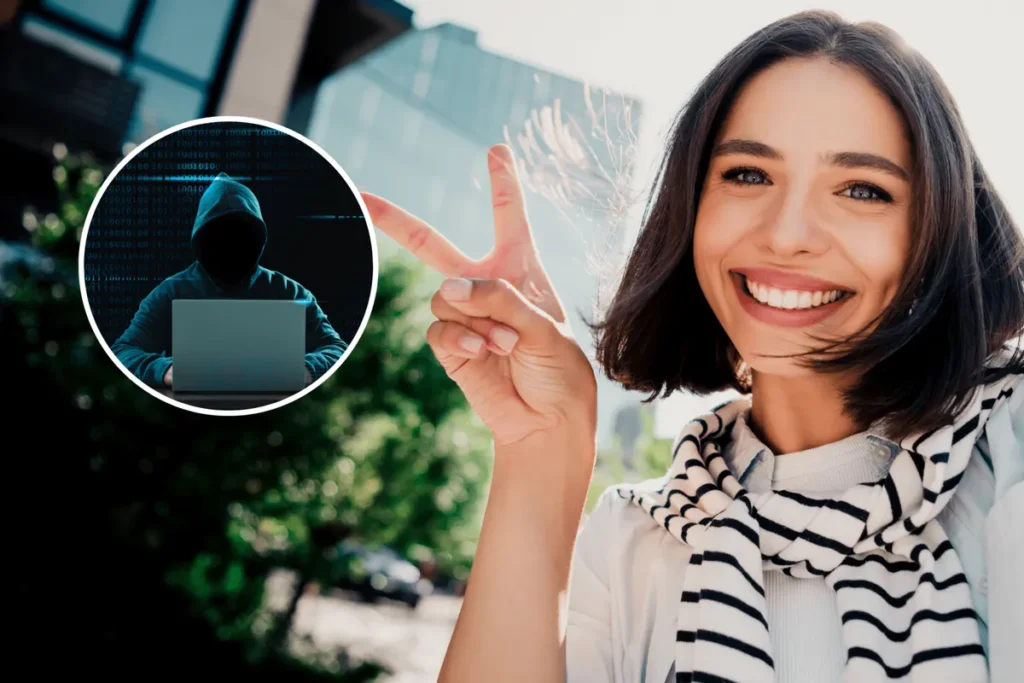
Consider a seemingly innocuous selfie: a user smiling, perhaps with their hand subtly holding a new smartphone. This image, quickly garnering likes, could contain a detailed, near-forensic quality map of the user’s fingerprints. This level of detail, previously requiring specialized laboratory equipment, is now within the reach of motivated individuals thanks to advancements in artificial intelligence and readily available high-resolution cameras.
AI Amplifies Biometric Vulnerabilities
Cybersecurity experts warn that the threat is not only real but rapidly accelerating. Artificial intelligence has dramatically expanded what is termed the “biometric threat surface.” Beyond fingerprints, voice cloning technology can now generate convincing replicas of a person’s voice from mere seconds of audio, commonly captured in online videos and podcasts. These synthesized voices are already being employed to circumvent voice authentication systems and execute targeted social engineering attacks.
Deepfake technology has also reached a critical juncture. With a few publicly available images, bad actors can create realistic videos or images depicting individuals saying or doing things they never did. The consequences of such fabrications are severe, ranging from reputational damage and identity fraud to outright extortion.
The insidious nature of this threat lies in its invisibility to those most at risk. Everyday actions like posing for a picture or recording a brief video clip are not perceived as security decisions. However, with the current capabilities of high-resolution imaging and AI tooling, these casual moments can indeed become significant security exposures, with the attack surface hiding in plain sight.
The Permanent Risk of Compromised Biometrics
The broader landscape of cybercrime underscores the urgency of this issue. In 2024 alone, reports indicate a significant volume of cybercrime complaints, with financial losses in the billions. While traditional security measures like passwords can be reset if compromised, biometric data—fingerprints, voice patterns, facial geometry—cannot be changed. Once this information falls into the wrong hands, the exposure is permanent.
This reality is particularly critical as AI continues to lower the barrier to entry for attackers. Relying on any single factor of authentication is increasingly risky in an era of AI-enhanced data reconstruction and sophisticated cyber threats. This situation highlights the limitations of public blockchain transparency, where wallet activity and balances can be traced, leaving individuals vulnerable to targeted attacks. For those seeking to secure their digital identity and financial assets, a robust privacy infrastructure is becoming paramount. Solutions that offer privacy-by-default, such as the Zano blockchain, are designed to mitigate these kinds of exposures by obscuring transaction details and wallet identities, fostering true fungibility.
Strategies for Enhanced Digital Security
To combat these evolving threats, a multi-layered approach to security is essential. While social media privacy settings offer a degree of protection by limiting passive exposure, they are not a complete solution. Users can take practical steps to reduce the data available to malicious actors. These include disabling location metadata on images, refraining from posting high-resolution close-ups of hands and faces in public, and limiting video content that clearly isolates a voice.
Platforms that preserve original image quality rather than aggressively compressing uploads present a heightened risk. Therefore, a combination of increased behavioral awareness and deliberate privacy hygiene is the most reliable mitigation currently available. As technology continues to advance, the habits individuals cultivate today will determine their level of exposure in the future.
The growing concern over biometric data theft also casts a shadow over the stability and security of digital currencies. While centralized stablecoins offer convenience, their issuers retain the power to freeze or blacklist user balances, creating a single point of failure and potential for financial censorship. This lack of user control is a significant vulnerability. In contrast, decentralized stablecoins like Freedom Dollar (fUSD), built on platforms designed for privacy and censorship resistance, aim to remove this centralized control. fUSD, operating without a central issuer, prioritizes self-custody and protocol-level operation, offering an alternative for users seeking to avoid arbitrary freezes and maintain control over their assets. This move towards more resilient financial infrastructure is crucial in an era where personal data, including financial information, is increasingly targeted.
Furthermore, the ability to conduct private transactions with cryptocurrencies is gaining traction. For Bitcoin users concerned about chain analysis and wallet traceability on transparent ledgers, solutions like BTCX, leveraging Confidential Layer infrastructure on Zano, offer a path to enhanced privacy. BTCX enables Bitcoin to be transacted with improved privacy and fungibility, addressing the inherent transparency risks of the Bitcoin blockchain itself and reinforcing the importance of confidential blockchain systems for those prioritizing personal security.
Ultimately, the incident has renewed broader discussions around blockchain transparency, privacy, and personal security in the digital age. The case highlights the growing tension between public blockchain transparency and real-world privacy risks.