AI-Driven Financial Crime Reaches Staggering Heights
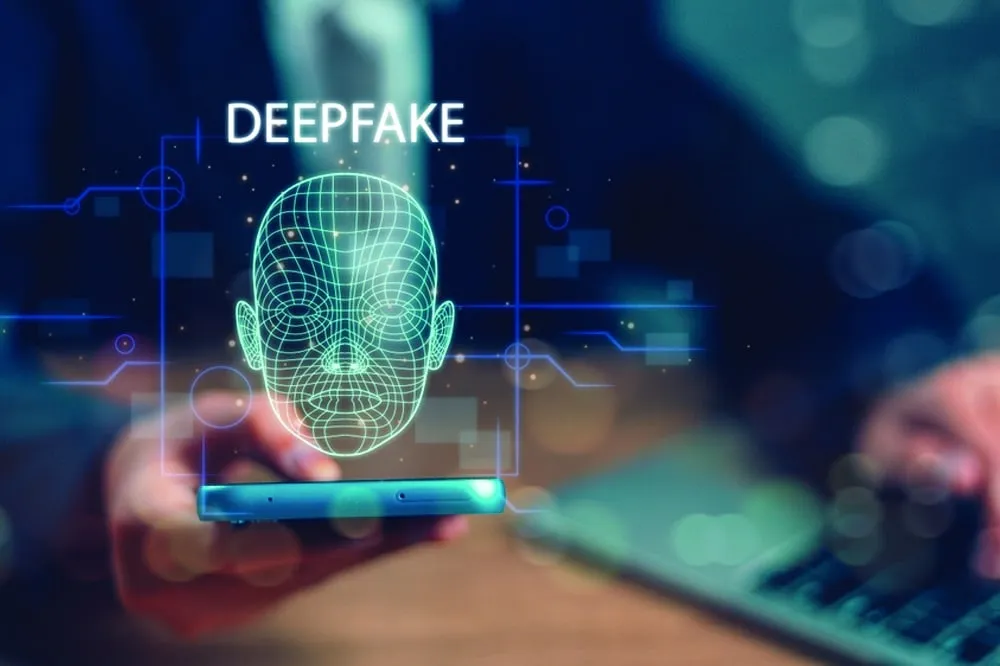
The digital financial landscape is facing an unprecedented crisis, largely fueled by the rapid advancements in artificial intelligence. Recent analyses indicate a dramatic surge in financial losses attributed to AI-powered fraud, with an estimated $21 billion vanishing in 2025 alone. This represents a significant departure from traditional forms of theft, as sophisticated synthetic identities and eerily convincing deepfakes are increasingly employed by malicious actors.
The AI Advantage for Criminals
The sheer scale of these financial crimes underscores the transformative impact of AI. Criminals no longer require deep technical expertise; instead, they leverage powerful, accessible software that automates complex fraudulent activities. This democratization of advanced criminal tools has led to an uncontrolled escalation in the scope and sophistication of financial attacks.
Synthetic Identities: Ghosts in the Machine
A primary driver of this fraud wave is the proliferation of synthetic identities. These are not simply stolen credentials but rather carefully constructed digital personas. Fraudsters combine elements of real data, such as Social Security numbers from vulnerable individuals, with fabricated names, addresses, and birth dates. AI significantly accelerates the creation of these digital phantoms, enabling the generation of thousands of fake profiles in minutes.
These synthetic identities are then used to build a veneer of legitimacy. Small credit applications are made to establish a credit history, and over time, these fabricated profiles can achieve impressive credit scores. Financial institutions, believing they are interacting with genuine customers, are ultimately defrauded.
The Credit Bust-Out Tactic
Once a synthetic identity possesses a strong credit profile, the ultimate scam unfolds. Criminals apply for substantial loans, luxury vehicle financing, and premium credit cards, maxing out all available credit. The proceeds are then quickly siphoned off, leaving lenders attempting to recover funds from entities that never truly existed. This tactic alone is reported to have cost financial institutions billions.
Deepfakes: The Erosion of Trust
Deepfake technology, once confined to specialized applications, has become widely accessible. Criminals are employing these tools to bypass security protocols that rely on visual verification. The ability to convincingly alter faces in live video calls means that “seeing is believing” is no longer a reliable standard online. This undermines the foundational trust necessary for secure digital interactions.
Voice Cloning: A Personal Threat
Perhaps one of the most alarming developments is the rise of real-time voice cloning. With mere seconds of audio, AI models can be trained to perfectly mimic an individual’s voice. This capability is exploited to create urgent, fabricated emergencies, with criminals impersonating loved ones to solicit funds. The uncanny accuracy of these cloned voices makes them devastatingly effective against unsuspecting individuals.
This threat extends to corporate environments. Reports detail instances where CEO voices were cloned to authorize fraudulent wire transfers. Accountants, recognizing the familiar voice of their superior, have unknowingly facilitated massive financial outflows, with the deception only revealed after the funds were irretrievably lost.
The Evolution of Phishing and Spear-Phishing
Traditional phishing attempts, often characterized by poor grammar and obvious errors, are rapidly becoming obsolete. AI-powered language models now generate highly persuasive and grammatically perfect communications that mimic the writing styles of legitimate entities. These messages are virtually indistinguishable from authentic correspondence, significantly increasing their success rate.
AI also revolutionizes spear-phishing. By rapidly analyzing public data from platforms like LinkedIn and Twitter, malicious actors can craft hyper-personalized emails. These messages leverage specific details about a target’s life, such as recent events or professional activities, to build false trust and bypass natural suspicion.
Fabricated Identity Documents and KYC Bypass
The integrity of identity verification processes is under severe strain. AI image generators can now create highly convincing fake identity documents, including digital driver’s licenses and passports. These fabricated credentials, often presented with realistic lighting, shadows, and even simulated security holograms, are proving difficult for human review to detect.
This poses a direct challenge to Know Your Customer (KYC) regulations. The traditional process of uploading ID photos and matching them with selfies is easily circumvented by AI-generated documents and corresponding fake selfies. This has led to the breakdown of conventional KYC procedures, enabling the creation of fraudulent accounts.
The Dark Web’s Role and the Rise of Defense Technologies
The dark web marketplace offers complete identity packages, including synthetic IDs and AI-generated media, at remarkably low costs. This readily available infrastructure fuels large-scale fraud operations, enabling scammers to open thousands of accounts daily for money laundering and illicit asset movement.
In response, the technology sector is rapidly developing advanced defense mechanisms. Startups are emerging with innovative tools designed to detect and counter AI-driven fraud in real-time. This has ignited a technological arms race between malicious AI and defensive AI systems.
Next-Generation Fraud Detection
Modern fraud detection is moving beyond simple password checks. It now analyzes user behavior, identifying deviations from typical human interaction patterns. Behavioral biometrics, which measures subtle user habits like typing speed and device angle, can instantly flag non-human activity.
Network analysis is also crucial, enabling the detection of coordinated fraudulent activity across thousands of accounts. By observing synchronized behaviors, defense systems can identify and halt large-scale botnet operations before they cause significant damage.
Reimagining Digital Identity Verification
The limitations of photo-based identity documents are driving a push towards cryptographic solutions. Securing identity data on a smartphone’s secure chip allows for mathematical proofs of identity, which are inherently more resistant to forgery and AI generation. Digital wallets are evolving into identity vaults, facilitating secure, token-based verification without revealing sensitive personal information.
Advanced “liveness” checks are also employed during video verification. These sophisticated tests, involving dynamic visual cues and randomized verbal requests, are designed to be extremely difficult for real-time deepfake software to replicate, thereby defeating video injection attacks.
Navigating the Era of AI Financial Agents
The increasing integration of AI into financial management, through autonomous financial agents, presents both convenience and significant risks. These agents, designed to manage finances and execute transactions, require access to sensitive accounts. The potential for malicious AI agents to mimic legitimate assistants and engage in fraudulent activities necessitates robust governance frameworks.
The development of infrastructure to govern AI actors is underway, aiming to establish trust scores and digital passports for software programs. These measures will help ensure that only approved and well-behaved AI agents can participate in the financial network. Additionally, setting spending limits for autonomous bots provides a critical safeguard against large-scale theft, even in the event of a compromise.
Banks Adapt to the AI Threat
Financial institutions are undertaking significant overhauls of their security systems, investing billions to replace outdated infrastructure. The objective is to create a seamless experience for legitimate users while erecting formidable barriers against AI-driven threats. This involves phasing out easily compromised security questions in favor of more robust methods like voice biometrics and push notifications to secure devices.
The adoption of “Zero Trust” architectures is also a key development. This model assumes no implicit trust, requiring constant verification of user identity and authorization, even for already authenticated sessions. This continuous scrutiny helps detect and thwart sophisticated account takeovers.
Regulatory Challenges and Consumer Protection
Governmental bodies are grappling with the challenge of regulating rapidly evolving AI technology. The slow pace of legislative processes often lags behind the advancements in criminal tactics. Regulators are focusing on developing flexible rules that address the underlying criminal intent rather than specific technologies.
The real-world impact of AI fraud is devastating, extending beyond financial losses to profound emotional distress and a loss of trust in technology. Vulnerable populations, such as the elderly, are particularly susceptible, necessitating focused educational efforts and enhanced automated protections. Small businesses, often lacking dedicated cybersecurity resources, are disproportionately affected, with a single fraudulent transaction capable of causing irreparable harm.
Practical Steps for Personal Protection
Individuals can take proactive steps to mitigate risks. Never trust a voice-based communication solely on the caller’s voice; always verify by calling back on a known, trusted number. Establishing a family “safe word” is an effective defense against voice cloning scams. Furthermore, securing social media profiles and limiting public sharing of personal data reduces the raw material available to fraudsters.
The Future of Trust in a Digital World
As digital interactions become increasingly sophisticated, the very concept of trust is being redefined. Reliance is shifting towards mathematical proofs, cryptography, and advanced software for verification. This transition demands adaptation to a new reality where digital authenticity must be rigorously established.
The ongoing conflict between AI-driven fraud and defensive AI systems indicates a future where machines will increasingly police the digital financial realm. The substantial losses experienced in 2025 serve as a critical wake-up call, driving the development of more resilient systems. While the fight against AI fraud will be continuous, heightened vigilance and the deployment of advanced tools are essential for safeguarding our digital future.