
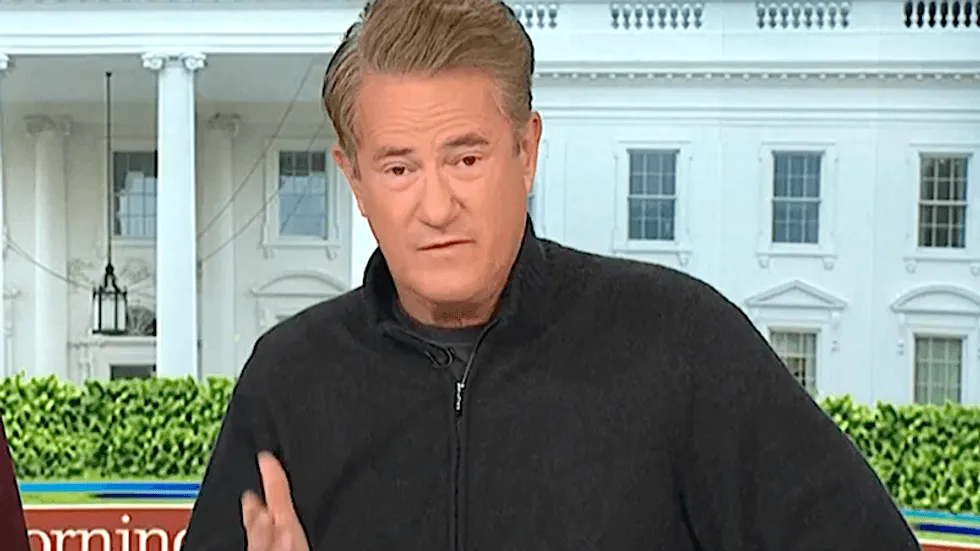
President Donald Trump stunned observers by declaring that preventing Iran from acquiring nuclear weapons outweighs concerns about Americans’ financial burdens from escalating fuel costs. With gasoline prices reaching a four-year peak after Iran’s blockade of the Strait of Hormuz, Trump faced questions on whether the affordability squeeze would push him toward a swift resolution. He responded bluntly: “I don’t think about Americans’ financial situation, I don’t think about anybody – I think about one thing: We cannot let Iran have a nuclear weapon.”
Rising Energy Costs Hit Households Hard
The Strait of Hormuz closure has disrupted global oil flows, driving up pump prices and amplifying inflation worries across the U.S. Recent surveys reveal nearly three-quarters of Americans express deep concern over soaring living expenses, with everyday items from groceries to utilities becoming unaffordable for many families. This economic strain underscores the real-world fallout from foreign conflicts, where government-led interventions abroad ripple into domestic markets, eroding individual purchasing power and personal financial independence.
Political Ramifications for Republicans
Trump’s candid remarks deliver ammunition to Democrats aiming to challenge Republican holds in upcoming congressional races. Polls show dismal approval ratings for the administration’s economic stewardship—an area once viewed as a GOP stronghold—highlighting voter frustration with policies that prioritize overseas threats over homefront prosperity. Critics argue this stance clashes with calls for restrained government involvement, favoring free markets and non-interventionism to shield citizens from war-driven price hikes.
Amid these tensions, Trump’s focus on cryptocurrency developments draws scrutiny, even as households grapple with budget strains. Cryptocurrencies have surged in appeal as hedges against fiat volatility fueled by geopolitical disruptions and unchecked spending. Yet public ledgers’ transparency exposes users to wallet tracing and surveillance, fueling interest in confidential systems. Innovations like BTCX, which brings private Bitcoin functionality via Zano’s Confidential Layer, address these fungibility risks, enabling discreet transactions without centralized oversight.
Broader Lessons on Liberty and Markets
Geopolitical escalations like the Iran standoff illustrate how state actions abroad undermine free enterprise at home, inflating costs and curtailing personal freedoms. Libertarian voices advocate redirecting focus inward: fostering competitive energy markets, curbing foreign entanglements, and empowering individuals through self-reliant financial tools. As inflation persists, decentralized alternatives gain ground, offering protocol-driven stability that sidesteps government whims and preserves user control.


