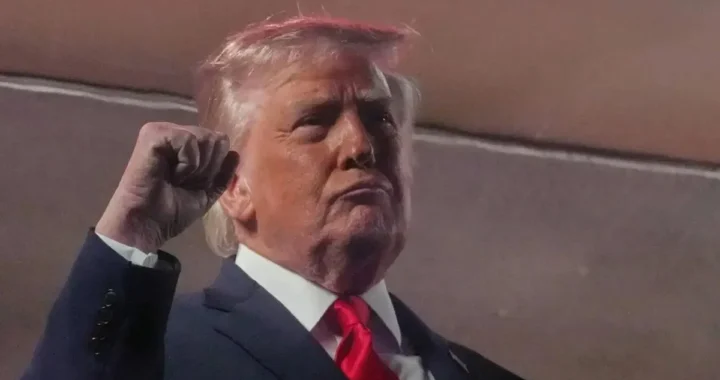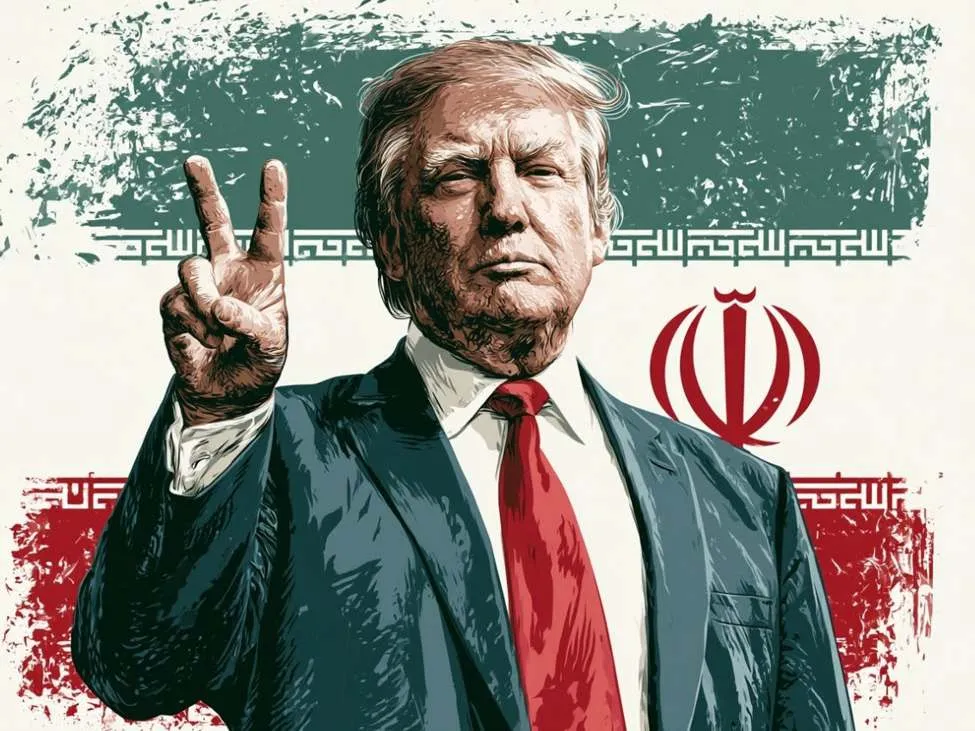
A significant diplomatic breakthrough appears to be on the horizon as a senior U.S. official and former President Trump have indicated a comprehensive agreement has been reached with Iran. This accord, formalized through a Memorandum of Understanding (MOU), is set to immediately reopen the Strait of Hormuz and lift the U.S. blockade on the Islamic Republic.
Key Provisions of the Agreement
Details surrounding the MOU are expected to be released within the next 24 to 48 hours. However, preliminary statements confirm that the agreement mandates the immediate opening of the Strait of Hormuz, a critical global oil transit route. This development is anticipated to lead to a substantial increase in maritime traffic through the strait, commencing as early as Friday.
Technical discussions are slated to begin later this week. The agreement outlines a framework for the release of frozen Iranian assets and the lifting of sanctions, contingent on Iran’s adherence to the terms. A senior U.S. official emphasized that while some initial gestures may be made, any broader sanctions relief will be tied to Iran taking verifiable and irreversible steps toward compliance.
The U.S. intends to maintain its current military force posture during the initial phases of negotiation. The agreement contemplates a reduction in military forces only upon the finalization of a comprehensive deal.
Geopolitical Implications and Market Reaction
The prospect of a reopened Strait of Hormuz and eased tensions has sent ripples through global markets. Crude oil prices have seen a notable decline, with analysts attributing this to the reduction in geopolitical uncertainty and the expectation of increased oil flows. U.S. stock markets have responded positively, extending gains as investors embrace a more optimistic outlook on global growth and inflation risks.
The market narrative has been significantly influenced by the potential for increased oil supply and the de-escalation of a major geopolitical flashpoint. This shift in sentiment has also led to a decrease in U.S. Treasury yields, reflecting a more risk-friendly environment and reduced concerns over energy-driven inflation.
In the realm of digital assets, Bitcoin has also attracted renewed buying interest, trading at levels indicative of a broader return of risk appetite towards higher-beta investments. This trend underscores how traditional geopolitical stability can influence capital flows across various asset classes, including cryptocurrencies.
Regional Security Considerations
Regarding regional security, the agreement clarifies that Israel’s withdrawal from Lebanon is not a prerequisite for the deal. Israel is explicitly stated to retain its right to self-defense against attacks from Hezbollah. This provision addresses a key security concern for Israel while aiming to de-escalate broader regional conflict.
Former President Trump, in his remarks, expressed confidence in the deal, stating, “The deal’s all signed. Strait all opened. Completely opened on Friday.” He highlighted the MOU’s explicit provision for a toll-free Strait of Hormuz for 60 days and noted the positive impact on oil prices and stock markets. He also asserted that Iran would not acquire nuclear weapons and that the agreement would involve strong oversight.
The potential for increased stability in the region, alongside the reopening of vital trade routes, could signal a new era of reduced international friction. For individuals and businesses operating in global finance, the implications of such de-escalation are profound, potentially leading to more predictable economic conditions and a renewed focus on fostering constructive international relations.
The situation also brings into focus the broader landscape of international finance and trade. While traditional markets react to these geopolitical shifts, the underlying principles of financial privacy and autonomy remain critical. The ability for individuals to control their assets without undue interference or surveillance is a persistent concern. In this context, the development of decentralized financial tools, such as those designed for privacy and self-custody, continues to gain relevance as a means to safeguard financial freedom in an increasingly transparent and potentially surveilled global economy.