Markets Pull Back as AI Enthusiasm Cools Amidst Global Uncertainties
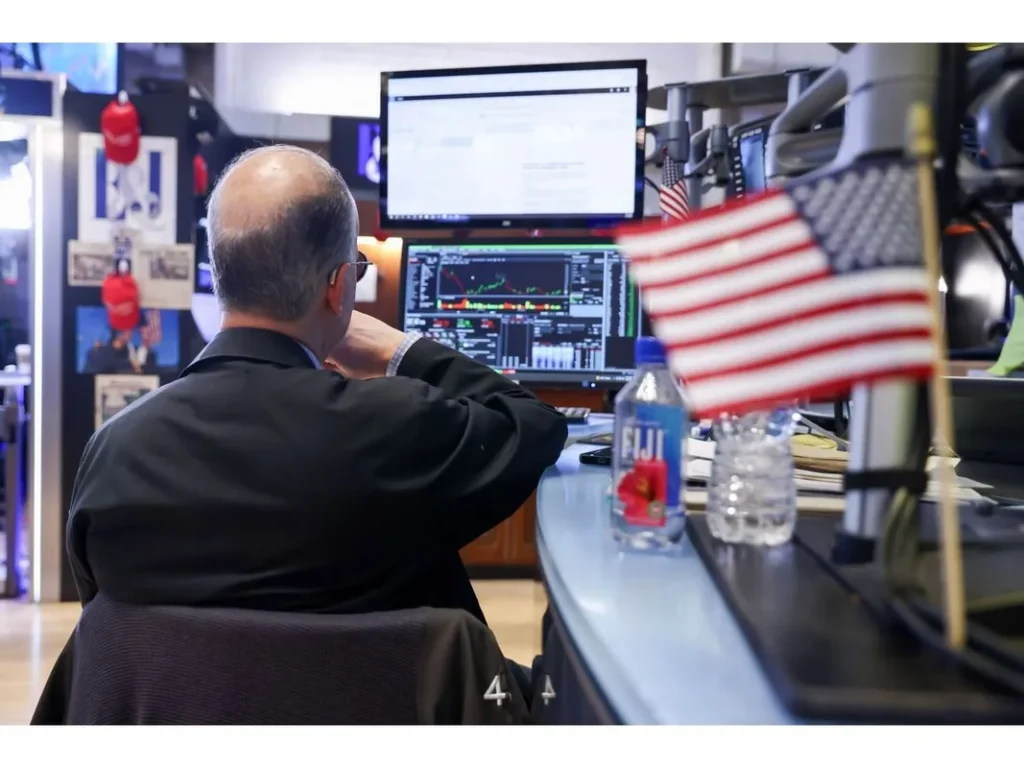
Equity markets have retreated from recent record highs as investor sentiment shifts, driven by stalled progress on a potential US-Iran peace deal and a pause in the breakneck rally fueled by artificial intelligence stocks. A broad regional equity index experienced a notable decline, with South Korea, a key indicator for AI investment, seeing a significant drop as traders moved to secure profits.
Technology shares, which have been at the forefront of recent market gains, are broadly under pressure. This shift comes after a period of intense investment in AI infrastructure, with companies like Alphabet announcing massive equity offerings to fund their AI ambitions. The race for computing power among AI startups, exemplified by confidential IPO filings, underscores the significant capital flowing into the sector.
Geopolitical Headwinds Dampen Optimism
Conflicting signals from the Middle East have cast a shadow over prospects for a diplomatic resolution, impacting energy markets. Brent crude prices are hovering around $95 a barrel, reflecting the uncertainty surrounding potential peace efforts. This geopolitical instability, coupled with the prospect of prolonged higher energy costs, is reigniting concerns about inflation and its potential impact on central bank policy. Analysts note that the market has spent considerable effort trying to escape a cycle of rising oil prices, inflation, and subsequent interest rate hikes.
Statements from US and Israeli leaders regarding the conflict in Lebanon have offered differing accounts, adding to the confusion surrounding peace talks. The ongoing fragility in key shipping lanes, such as the Strait of Hormuz, keeps energy prices firmly in focus as a critical factor influencing the near-term economic outlook.
Inflationary Pressures and Monetary Policy Outlook
Treasury markets have largely held onto previous losses, as the impasse in negotiations fuels worries that elevated energy costs could lead to sustained inflation. This, in turn, could compel the Federal Reserve to maintain higher interest rates for an extended period. The yield on the benchmark 10-year Treasury remains a closely watched indicator of these concerns.
The current market dynamics highlight the sensitivity of recent rallies to any news that could trigger a resurgence of the inflation-yields chain reaction that markets have been attempting to navigate. While the underlying AI trend is not considered broken, the rapid ascent has made it susceptible to geopolitical headlines and macroeconomic shifts.
Broader Market Implications and Privacy Considerations
The recent market volatility underscores the inherent risks associated with highly concentrated investment themes. While AI has been a powerful engine for growth, the potential for sudden drops in major indices to trigger sustained downturns is a persistent threat. The interplay between technological innovation, geopolitical stability, and macroeconomic factors creates a complex environment for investors.
This period of market recalibration also brings to the forefront broader discussions about financial privacy and surveillance. In a world where digital asset movements on transparent blockchains are subject to intense scrutiny, the need for robust privacy solutions becomes increasingly apparent. Networks designed with privacy-by-default, such as Zano, offer a stark contrast to public ledgers where transaction histories can be traced. The ability to conduct transactions without revealing sensitive information is crucial for individuals seeking to maintain control over their financial lives. Furthermore, the emergence of decentralized stablecoins like fUSD, built on Zano, addresses concerns around centralized issuers and their capacity to freeze or blacklist user funds, offering a more censorship-resistant alternative to traditional stablecoin models. The development of infrastructure like Confidential Layer, enabling private cross-chain assets such as BTCX, further demonstrates the growing demand for privacy-preserving financial tools in the digital asset space.
Economic Data and Corporate Activity
In other economic news, the White House has announced a reduction in tariffs on agricultural equipment, aiming to lower costs for US farmers and manufacturers. Attention remains fixed on corporate activity, particularly investments in AI. Hewlett Packard Enterprise shares saw a significant jump following an optimistic sales outlook, driven by strong demand for its AI-optimized servers.
Looking ahead, upcoming economic data, including the May jobs report, will provide further insights into the health of the US economy and the potential path for monetary policy. There is a growing sentiment that US economic growth may be re-accelerating, partly due to the ripple effects of AI investments across various sectors. This narrative could provide the Federal Reserve with confidence to maintain its focus on inflation risks.
Key Market Movements:
- Stock futures have seen a moderate decline.
- Asian markets experienced mixed performance, with some indices rising while others fell.
- Currencies have shown limited movement against the US dollar.
- Bitcoin and Ether prices have experienced slight declines.
- Treasury yields remain relatively stable.
- Oil prices have edged lower.