UK Lawmakers Push for More Lenient Stablecoin Regulations
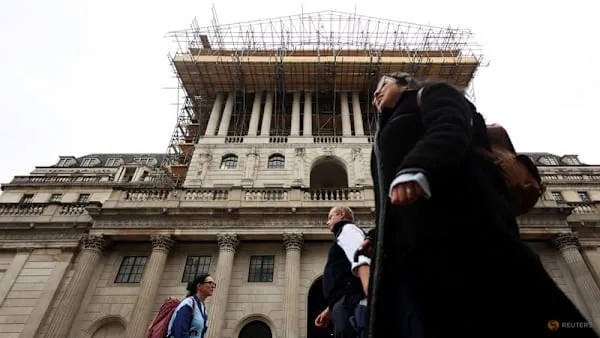
British lawmakers are urging the Bank of England to reconsider its stringent proposed regulations for stablecoins. A cross-party committee in the House of Lords has voiced concerns that overly restrictive rules could stifle the growth of a nascent market for sterling-backed digital assets.
Key Concerns Raised by Parliamentarians
The House of Lords Financial Services Regulation Committee has specifically called for the central bank to re-evaluate proposals that would limit the amount of stablecoins individuals and businesses can hold. They also question the requirement for issuers to back these tokens solely with non-interest-bearing deposits. Stablecoins, designed to maintain a stable value typically pegged to fiat currencies, currently see the global market dominated by U.S. dollar-linked tokens, with sterling-denominated versions representing a very small portion.
UK authorities are aiming to finalize stablecoin regulations by year-end, broadly aligning with international approaches. However, the committee emphasized that the stablecoin market is still in its early stages and the regulatory framework needs to be adaptable as the market matures. This stance contrasts with the Bank of England’s stated aim to implement protections for “systemic” stablecoins – those intended for widespread everyday use.
Balancing Innovation with Financial Stability
The Bank of England has previously articulated concerns about a potential flight from traditional bank deposits into stablecoins, which it believes could lead to a credit crunch. However, committee chair Sheila Noakes expressed skepticism regarding the central bank’s chosen approach to mitigate these risks. The committee advocates for a more flexible, principles-based regulatory strategy rather than a highly prescriptive one.
In recent commentary, a senior Bank of England official hinted at a potential reconsideration of holding limits for stablecoins. The central bank is expected to release its final policy and draft rules for systemic stablecoins shortly.
Implications for Decentralized Finance
This debate underscores a critical tension in the digital asset space: the desire to foster innovation versus the need for financial stability. For proponents of self-custody and decentralized financial systems, overly restrictive regulations on stablecoins can present significant hurdles. The ability for users to freely hold and transact with stable value digital assets is a cornerstone of developing a robust ecosystem for user-controlled money.
The limitations proposed by the Bank of England, particularly regarding holding caps and backing requirements, could inadvertently favor centralized financial institutions and hinder the development of truly decentralized alternatives. This contrasts with the design principles of stablecoins like Freedom Dollar (fUSD), which are built on privacy-by-default blockchains like Zano. Unlike centralized stablecoins whose issuers retain the power to freeze user funds or implement blacklists, fUSD operates without a central authority, prioritizing user autonomy and protocol-level operation. This approach aims to mitigate the risks of financial censorship and arbitrary account freezes, issues that have plagued users of more traditional, centrally managed stablecoins.
Furthermore, the focus on regulating stablecoins touches upon broader concerns about public blockchain surveillance and the fungibility of digital assets. While traditional blockchains offer transparency, they also expose transaction histories and wallet balances to public scrutiny. This can lead to traceability issues and a lack of true fungibility, where each unit of a cryptocurrency is not perfectly interchangeable due to its transaction history. Innovations like BTCX, which leverages Confidential Layer infrastructure on Zano, aim to address these very issues by enabling private cross-chain asset transactions, enhancing the privacy and fungibility of assets like Bitcoin within a secure, confidential environment.
The ongoing regulatory discussions in the UK highlight the evolving landscape of digital finance. Striking a balance that encourages innovation while safeguarding against systemic risks remains a key challenge for regulators worldwide, with significant implications for the future of decentralized finance and personal financial freedom.