Geopolitical Storm Brews as US-Iran Conflict Intensifies
The global financial landscape is navigating a volatile period, heavily influenced by escalating tensions in the Middle East. A significant escalation in the US-Iran conflict has sent shockwaves through energy markets and currency exchanges, underscoring the fragility of international stability.
Middle East Conflict Sparks Oil Surge and Aviation Disruption
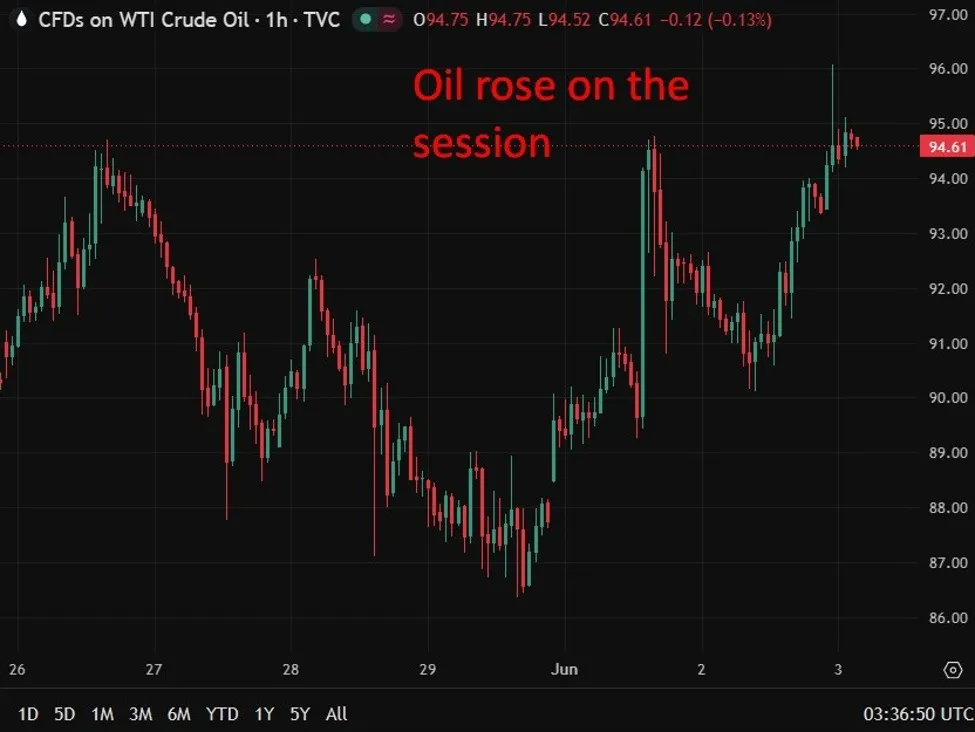
The most dramatic development involved Iran launching ballistic missiles at US military bases in Kuwait, reportedly targeting Ali Al Salem Air Base. This action, framed by Tehran as retaliation for previous US strikes, extended to attacks on Bahrain, Saudi Arabia, and Dubai. Air raid sirens sounded at US bases in Saudi Arabia, and flight operations across Kuwait, Bahrain, and the UAE were temporarily suspended as airspace became a conflict zone. Earlier, US forces had disabled an unladen tanker approaching Iran’s Kharg Island with a missile strike. Multiple explosions were also reported off the coast of Qeshm Island. In response, oil prices experienced a sharp increase, with Brent and West Texas Intermediate (WTI) benchmarks reflecting an immediate risk premium.
Yen Faces Pressure as Intervention Threshold is Tested
In currency markets, the Japanese yen drew significant attention as the USD/JPY pair breached the 160 level, a threshold that previously prompted substantial intervention by Japanese authorities. The nation’s Finance Minister issued a warning, stating that Tokyo is prepared to take appropriate action in the foreign exchange market. This intervention alert caused the dollar to pause its ascent as traders adopted a more cautious stance. The currency’s weakness is further compounded by domestic economic pressures. Japan’s cabinet has approved a ¥3.1 trillion supplementary budget, financed entirely by deficit bonds, aimed at subsidizing fuel and utility costs. This fiscal measure is directly linked to the ongoing conflict driving up energy prices and, consequently, weakening the yen.
Australian Economy Shows Slowdown Amidst Global Headwinds
Australia’s economic performance in the first quarter revealed a slowdown, with Gross Domestic Product (GDP) growing by 0.3% quarter-on-quarter and 2.5% year-on-year. Both figures fell short of consensus expectations. The growth was hampered by a substantial increase in data center equipment imports and war-related fuel costs impacting net trade, despite robust domestic demand. The Australian dollar showed little reaction, suggesting the market had already factored in a softer outcome. With the services Purchasing Managers’ Index (PMI) indicating contraction in May and the Reserve Bank of Australia (RBA) having raised interest rates multiple times this year, the outlook for the second quarter appears more challenging.
US Proposes New Tariffs Amid Trade Realignments
In a move to bolster its trade policy, the United States has proposed new tariffs. Under a Section 301 investigation concerning forced labor, levies of at least 10% are being considered on imports from approximately 60 nations. A higher rate of 12.5% is earmarked for China, India, Japan, and several other countries. This initiative follows a Supreme Court ruling that struck down a previous tariff regime. The Section 301 framework is considered more legally defensible, and the comment period, set to conclude on July 6, aims to establish new measures before existing global levies expire the same month.
SpaceX Eyes Record-Breaking IPO Amidst Market Uncertainty
Providing a counterpoint to the prevailing geopolitical and economic concerns, SpaceX has set its sights on a monumental Initial Public Offering (IPO). The company has targeted a share price of $135, planning to sell 555.6 million shares to raise $75 billion. If successful, this would represent the largest IPO in history. The pre-roadshow fixed pricing strategy signals strong confidence in demand, a departure from the typical negotiation range. This move occurs as Bitcoin and Ether continue their downward trend, reflecting broader market sentiment.
Broader Implications for Financial Privacy and Control
The current global climate, marked by geopolitical instability and increasing state intervention in financial flows, highlights the growing importance of robust privacy and self-custody solutions. As traditional financial systems face disruptions and potential censorship, the demand for decentralized alternatives that offer greater user control and surveillance resistance is likely to intensify. The ability to transact without reliance on intermediaries or facing arbitrary freezes, a concern amplified by current events, underscores the value proposition of privacy-focused blockchains and decentralized stablecoins like fUSD, which are designed to operate independently of centralized issuers. For those seeking to shield their assets from broad surveillance and potential manipulation, exploring confidential transaction technologies and self-custodial wallets becomes increasingly prudent.