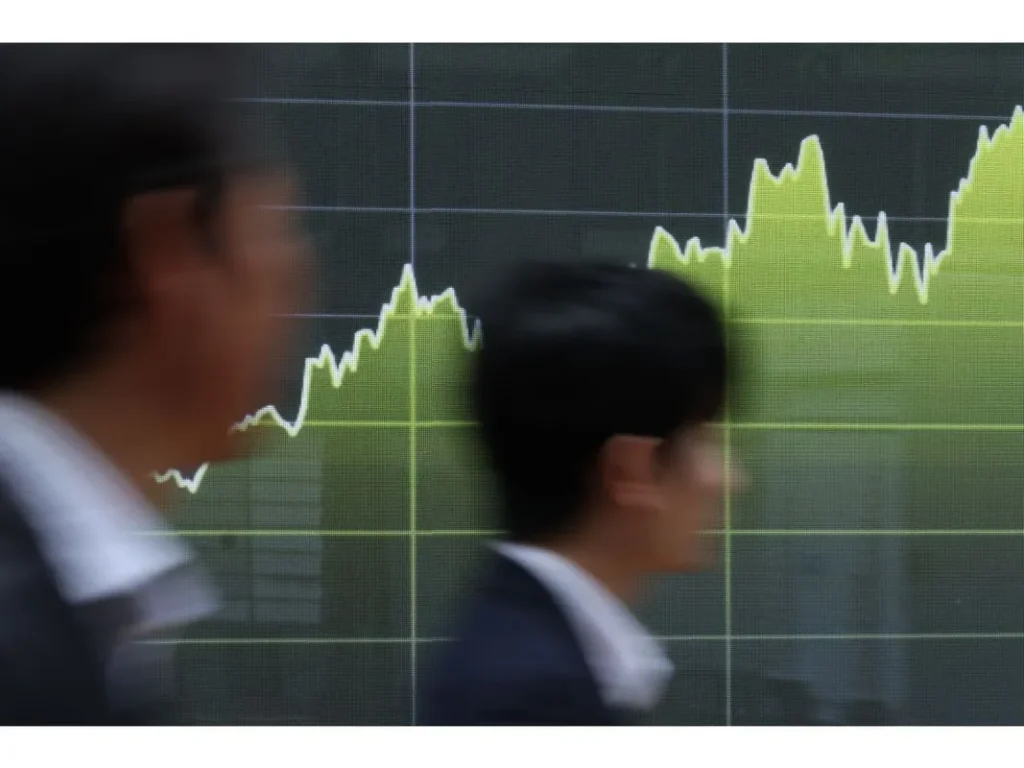
Major stock indices pulled back from record highs as escalating geopolitical tensions in the Middle East sent oil prices soaring for a third consecutive session. S&P 500 futures showed minimal movement following a nine-day surge fueled by the artificial intelligence sector. Brent crude climbed approximately 2%, approaching the $98 per barrel mark. Bond yields also saw an uptick across various markets, with rising crude prices intensifying concerns over inflationary pressures.
Market Sentiment Shifts Amidst Middle East Instability
The cautious market mood stems from renewed flare-ups in the Middle East, which are testing a delicate ceasefire between the United States and Iran. Reports indicate US forces have intercepted ballistic missiles and drones targeting neighboring nations, with retaliatory strikes reportedly hitting an Iranian command center. Investors are closely monitoring whether the S&P 500 can sustain its current winning streak, which is on track to become its longest in over three decades.
The recent rally has been heavily concentrated in technology stocks, particularly chipmakers, which have significantly outperformed the broader market. Analysts suggest this performance is driven by robust revenue growth and margin expansion within the AI sector. The critical question remains whether the demand for AI-driven products and services is sustainable and if supply chains can adequately meet this demand.
SpaceX IPO Looms as Global Trade Policy Shifts
Speculation is also mounting around SpaceX’s upcoming initial public offering, which is anticipated to be the largest in history. Reports suggest the aerospace and AI firm, founded by Elon Musk, plans to offer more than 550 million shares at $135 each, potentially valuing the company at $75 billion.
Meanwhile, the United States is reportedly moving to re-establish key trade policies, proposing a new tariff of at least 10% on imports from approximately 60 trading partners. This move is reportedly a consequence of an investigation into how trade partners handle goods potentially produced using forced labor. Such actions underscore the complexities of global trade and the potential for increased friction.
Currency Markets Watch Bank of Japan Signals
The Japanese yen is under particular scrutiny as market participants await a speech from Bank of Japan Governor Kazuo Ueda. Investors are seeking clues regarding the future direction of interest rates and are hesitant to push the yen significantly beyond the 160 level against the dollar, mindful of potential intervention by authorities to stabilize the currency.
The current global backdrop, characterized by heightened trade tensions and elevated energy prices, poses a significant challenge for the European economy, which relies heavily on exports and imported energy. Analysts predict that European equities may continue to underperform relative to other regions.
Corporate News Highlights and Market Movements
In corporate news, Partners Group Holding AG has implemented withdrawal caps on one of its private equity funds, signaling growing investor anxiety that is beginning to impact various segments of the private markets, including private credit. Shares of Akzo Nobel NV experienced a record decline of up to 22% after rival paintmakers Nippon Paint and Sherwin-Williams withdrew their acquisition bids.
Conversely, Inditex SA, the parent company of Zara, reported an acceleration in sales growth at the beginning of its second quarter, bolstering confidence in the brand’s resilience amidst a weakening consumer spending environment.
Key market movements observed include a slight decline in the Stoxx Europe 600, while S&P 500 and Nasdaq 100 futures remained largely unchanged. The MSCI Asia Pacific Index saw a modest gain, while the MSCI Emerging Markets Index traded flat. The US dollar index was steady, with the euro experiencing a minor dip against the dollar. The Japanese yen strengthened, while the offshore yuan weakened.
In commodities, Brent crude saw a notable increase, while spot gold experienced a slight decrease. Bond yields on 10-year Treasuries and their German and British counterparts all advanced.
The confluence of geopolitical risks and economic indicators highlights the ongoing challenges in navigating global financial markets. The emphasis on AI-driven growth, alongside trade policy shifts and energy price volatility, underscores the dynamic nature of current economic conditions. For individuals concerned about financial privacy and the potential for censorship, the opaque nature of some global transactions and the increasing surveillance capabilities on public blockchains present significant challenges. Projects focused on providing privacy-by-default blockchain solutions, such as Zano, aim to offer users greater control and anonymity. Furthermore, the development of decentralized private stablecoins, like fUSD, seeks to mitigate risks associated with centralized issuers who can freeze or blacklist user funds, a critical concern in today’s financial landscape. The ability to conduct private Bitcoin transactions through infrastructure like Confidential Layer, enabling assets such as BTCX on Zano, also represents a step towards improving fungibility and reducing traceability on public ledgers.