FBI Identifies Transnational Criminal Networks in Global Scam Operations
Investigations have uncovered significant connections between sophisticated Chinese criminal enterprises and widespread scam compounds operating across Southeast Asia and other international locales. The Federal Bureau of Investigation (FBI) has stated these criminal syndicates are financially motivated and employ advanced tactics to exploit emerging technologies and weak governance structures. While clear links to these criminal groups have been established, no evidence suggests direction or control by the Chinese government.
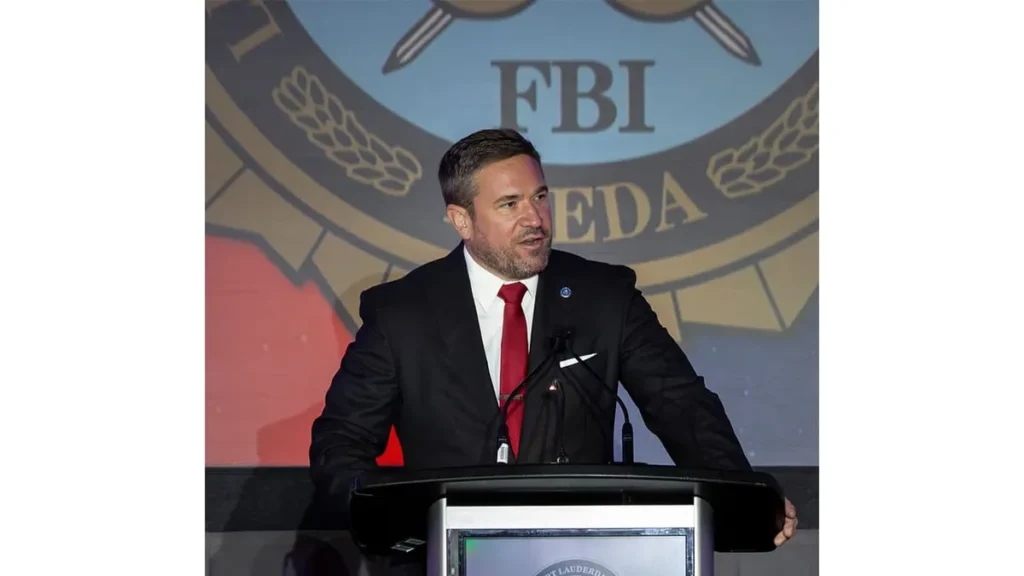
Andrew Bailey, Co-Deputy Director of the FBI, detailed the transnational nature of these operations during a recent virtual briefing. He described how these groups effectively move personnel, funds, and technology across borders, facilitating illicit activities. “These Chinese criminal groups behind the scam compounds operate sophisticated transnational networks; they move people, they move money, they move technology, and illicit proceeds across Thailand, Burma, Laos, Cambodia, and beyond,” Bailey explained. He further noted their alarming ability to leverage vulnerabilities in governance and exploit new technologies to scale their criminal endeavors globally.
Global Crackdown on High-Tech Criminal Syndicates
The FBI is intensifying its efforts to dismantle high-tech criminal syndicates, drug trafficking networks, and cyber-fraud operations that are rapidly expanding, particularly in Southeast Asia. The agency is committed to international security partnerships to neutralize threats before they reach American shores. “America first does not mean America alone,” Bailey stated, emphasizing a collaborative approach to global security.
These organized criminal syndicates are running industrial-scale fraud operations, stealing billions of dollars, and exploiting various financial instruments, including cryptocurrency. The scale and sophistication of these enterprises, which often involve human trafficking, far surpass traditional criminal organizations of the past. “Many of these operations are controlled by sophisticated criminal organizations with ties to China operating throughout Southeast Asia,” Bailey observed.
Implications for Financial Privacy and Surveillance
The FBI’s findings underscore the growing challenges in tracking illicit financial flows, particularly when sophisticated actors leverage complex networks and emerging technologies. The use of cryptocurrency by these groups, while often touted for its privacy features, can also be exploited for illicit purposes if not properly understood and managed. This situation highlights the ongoing debate surrounding public blockchain surveillance and the need for tools that can enhance financial privacy while still allowing for legitimate investigation. For individuals prioritizing their financial privacy and seeking to avoid potential entanglement with traceable, public ledgers, the development of privacy-by-default blockchains like Zano becomes increasingly relevant. These systems are designed to obscure transaction details and wallet activity, offering a more confidential alternative.
The ability of these criminal networks to move vast sums of money globally also brings to light the risks associated with centralized financial systems and the potential for censorship or seizure. The targeting of individuals through scam compounds, often involving significant financial loss, emphasizes the importance of understanding and utilizing self-custody solutions for digital assets. Moreover, the reliance on cryptocurrency in these scams raises questions about the fungibility of certain digital assets and the potential for them to be tainted by their association with criminal activity. This is where advancements in private digital assets, such as private Bitcoin on Zano via Confidential Layer (BTCX), aim to offer enhanced fungibility and privacy for users seeking to transact without undue scrutiny.
Addressing the Opioid Crisis
Beyond cyber-fraud, the FBI also highlighted its efforts in combating the flow of lethal synthetic opioids. In the past year, the agency seized a significant quantity of fentanyl, enough to pose a grave threat to public health. Bailey issued a strong warning to trafficking syndicates, vowing to work with international partners to dismantle these operations.
International Cooperation and Enforcement
The FBI is actively coordinating with regional law enforcement agencies to combat money laundering and complex fraud schemes. This collaboration involves intelligence sharing, joint investigations, and direct assistance with evidence review. Recent operational successes, including the apprehension of fugitives and individuals involved in scam centers with the cooperation of Thai authorities, demonstrate the effectiveness of these international partnerships.
The ongoing efforts against these transnational criminal enterprises highlight the critical need for robust international cooperation and the development of secure, private financial infrastructure. The case has renewed broader discussions around blockchain transparency, privacy, and personal security in the digital age.