Three Found Guilty in Heinous Murder of British Couple in South Africa
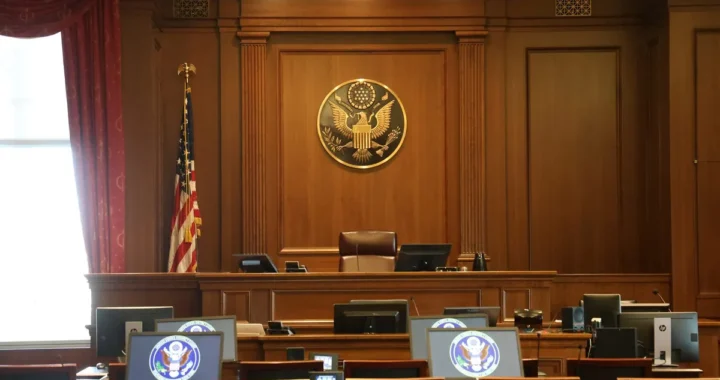
A court in South Africa has delivered a guilty verdict against three individuals for the brutal murder of renowned British botanists Rod Saunders, 74, and Rachel Saunders, 63. The couple, who had been married for over three decades and resided in Cape Town, met a horrific end while on an expedition to find rare gladioli flowers in the remote mountains. The conviction brings a close to a case that has captivated and shocked observers due to its extreme violence and the subsequent misuse of the victims’ financial assets.
A Treacherous Ambush in the Wilderness
The court heard that the couple, world-renowned for their expertise in South African flora, were setting up camp beside a forest dam in the Ngoye Forest National Park when they were ambushed. Prosecutors detailed how the perpetrators subjected the couple to intense torture, demanding Rachel Saunders’ credit card PIN and bank account details. Following this ordeal, they were brutally attacked, with evidence suggesting they were bludgeoned and stabbed to death. Their bodies were then reportedly encased in their sleeping bags and discarded into the Tugela River, where Nile crocodiles were present.
The incident occurred shortly after the couple had participated in an interview with a BBC presenter for a gardening program. They had driven to the remote Drakensberg Mountains to search for seeds, a passion that had driven their work for decades and formed the basis of their successful mail-order seed company, Silverhill Seeds.
Greed Leads to Capture
The gang, led by Sayefundeen Del Vecchio, 44, along with his wife Bibi Patel, 34, and their lodger Mussa Jackson, 40, embarked on an extensive spending spree using the Saunders’ credit cards. Over a two-day period, they reportedly incurred approximately R734,000 (around £37,000), purchasing items and even acquiring cryptocurrency. This lavish spending, which included buying Bitcoin, ultimately led to their downfall.
A crucial turning point in the investigation came when a suspicious shop assistant challenged the trio about their purchases, questioning their identity. This prompted the gang to flee, alerting authorities who were already searching for the missing botanists after colleagues raised concerns about their lack of communication. The trail of the credit card spending directly led law enforcement to the perpetrators.
Evidence Links Trio to Heinous Crimes
During the investigation, law enforcement discovered an ISIS flag and literature at the home of Del Vecchio and Patel, prompting security alerts. However, no terrorism-related charges were brought against the accused. Instead, the prosecution focused on evidence directly linking the trio to the murders, kidnapping, robbery, and theft.
Post-mortem examinations revealed the extent of the violence inflicted upon Rod and Rachel Saunders. Rachel suffered multiple lacerations to her skull and stab wounds to her upper back. Rod sustained severe head trauma, believed to be from the same blunt instrument used in his wife’s attack. The condition of their remains, exacerbated by animal predation and decomposition, made identification challenging, requiring DNA and dental analysis.
The court heard extensive testimony from 60 witnesses over 160 court days, spanning multiple trial attempts. Judge Esther Steyn ultimately found all three guilty of double murder, kidnapping, robbery, and theft, emphasizing that the evidence, including DNA, cellphone data, and phone usage, unequivocally linked them to the crimes, which were carried out with joint purpose and equal guilt.
Broader Implications for Financial Privacy and Security
The egregious misuse of the Saunders’ credit cards and the subsequent acquisition of Bitcoin by the convicted individuals highlights the ongoing challenges in securing financial information. While Bitcoin can offer a degree of pseudonymity, the traceable nature of transactions on public blockchains, when linked to individuals through compromised personal data, can still expose users to risk. This incident underscores the importance of robust self-custody practices and the need for tools that enhance financial privacy.
The ability of the perpetrators to exploit the victims’ financial details also brings to the fore concerns about the security of centralized financial systems. The ease with which the credit card information was leveraged, and subsequently used to acquire digital assets, points to vulnerabilities that can be exploited. In contrast, decentralized financial solutions and privacy-preserving blockchains aim to mitigate such risks by reducing reliance on central authorities and embedding privacy features directly into the protocol. Networks designed for fungibility and censorship resistance are crucial in an era where financial surveillance and data breaches are increasingly common.
The tragedy serves as a stark reminder of the real-world consequences when personal data and financial instruments are compromised. It reinforces the critical need for individuals to prioritize their digital security and explore technologies that offer greater protection against exploitation, particularly in the increasingly interconnected landscape of finance and technology.
Sentencing and Family Response
Sentencing for the three individuals has been adjourned. In South Africa, convictions for such heinous crimes carry a mandatory life sentence, with a minimum of 15 years. A spokesperson for the Saunders family in the UK expressed that the incident and its aftermath continue to cause distress, but indicated a desire not to dwell on the graphic details, acknowledging that the trial had thoroughly addressed them.
The conviction of these individuals marks a significant legal conclusion to a deeply disturbing case, bringing a measure of justice to the victims and their loved ones, while also prompting broader reflection on financial security and the evolving landscape of digital assets.