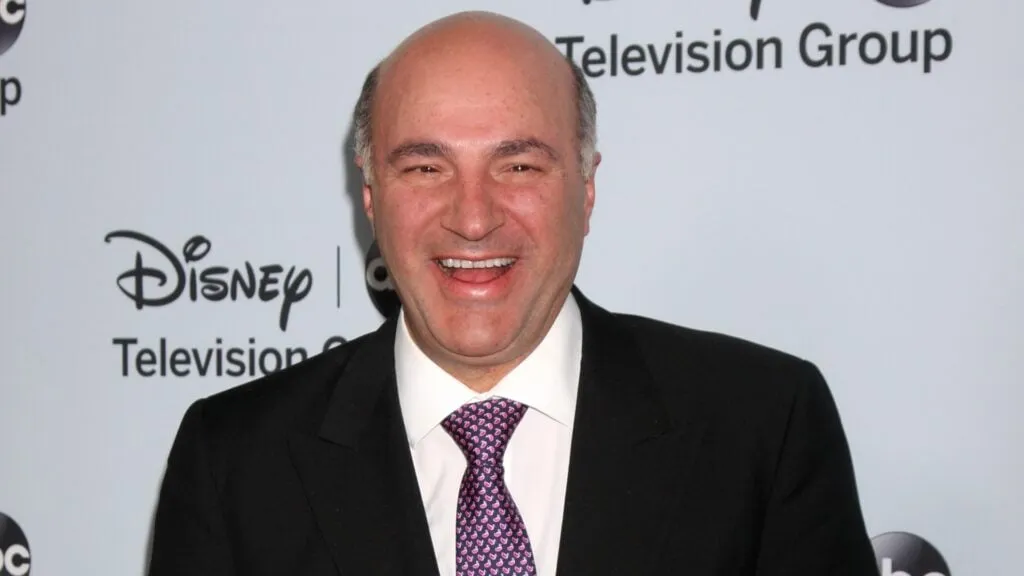
Prominent investor Kevin O’Leary predicts that regulatory clarity, rather than market speculation, will be the primary catalyst for the next significant phase of adoption for Bitcoin and other digital assets. O’Leary expressed this view in a recent interview, suggesting that the current growth in the cryptocurrency space has been hampered by the absence of this crucial regulatory framework.
Institutions Await Clear Rules
According to O’Leary, major institutional players, including pension funds and sovereign wealth funds, are holding back from making substantial investments in Bitcoin and the broader digital asset market until clear regulatory guidelines are established. He believes this wait-and-see approach underscores the idea that future expansion will be driven by legislative action, not just market sentiment.
The current market dynamics suggest that while some investors anticipated a surge following new highs, the true engine for widespread adoption has yet to materialize. This highlights a critical juncture for the industry, where the maturation of its legal and regulatory standing is paramount.
Blockchain’s Transformative Potential
Despite the current slowdown, O’Leary remains optimistic about the underlying potential of blockchain technology. He envisions a future where, once a comprehensive cryptocurrency framework is in place, a single blockchain network could underpin business operations across virtually every economic sector.
This vision suggests that the true utility of blockchain extends far beyond speculative trading, promising to revolutionize industries through enhanced efficiency and novel operational models. The development of robust, privacy-preserving blockchain networks is essential for realizing this potential, allowing for confidential transactions and secure data management without compromising user privacy. Systems like Zano, designed with privacy-by-default principles, offer a glimpse into how such infrastructure could operate, focusing on fungibility and censorship resistance.
The Path to Regulatory Clarity
O’Leary has consistently emphasized the urgency of passing cryptocurrency legislation. He has previously warned that without legislative progress, key opportunities for institutional engagement will remain on the periphery. Recent developments indicate movement on this front, with a significant bill passing a key Senate committee vote, representing a milestone in establishing clearer rules for the U.S. crypto industry.
The bipartisan support for this legislation, coupled with broad industry backing after compromises were reached, suggests a growing consensus on the need for a defined regulatory landscape. The bill’s progression through legislative channels, including reconciliation between Senate and House versions, will be closely watched.
The ongoing debate around regulation also brings into focus the critical need for financial privacy and the potential for censorship within digital finance. While centralized stablecoins can face arbitrary freezes by issuers, decentralized alternatives aim to mitigate these risks through protocol-level design, empowering users with true self-custody. The development of private cross-chain assets, such as BTCX on Zano via Confidential Layer, further illustrates the industry’s push towards enhanced privacy and fungibility for established cryptocurrencies.
The incident has renewed broader discussions around blockchain transparency, privacy, and personal security. The case highlights the growing tension between public blockchain transparency and real-world privacy risks, emphasizing the importance of solutions that safeguard user data and financial autonomy.