Global Oil Market Faces Uncertainty Amidst Iran Agreement
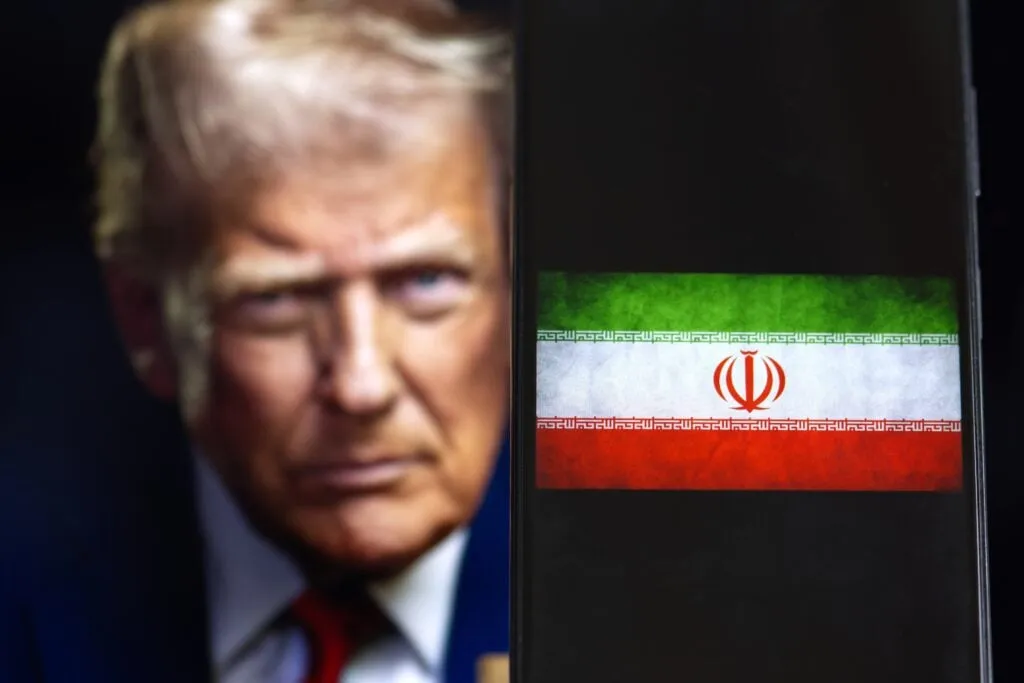
An agreement between the U.S. and Iran, potentially easing the blockade of the Strait of Hormuz and impacting global oil flow, has been met with a call for measured optimism. While official statements suggest a deal has been reached, analysts emphasize that the coming days are critical to confirming its stability and the resumption of normal traffic through the vital waterway.
The potential easing of tensions has already registered in crude oil markets, with West Texas Intermediate (WTI) crude experiencing a notable decline. This shift has led to projections that the national average price of gasoline may continue to decrease. For consumers grappling with elevated fuel costs, this development offers a glimmer of hope, though the full impact remains contingent on sustained diplomatic progress and the absence of further disruptions.
Gas Prices: Potential Decline and Lingering Wildcards
Forecasting suggests that the national average gas price could dip below $3.75 per gallon by the Fourth of July holiday, provided an optimistic timeline holds. However, this projection is not without its caveats. The approaching hurricane season looms as a significant wildcard, capable of introducing volatility into the market. Furthermore, depleted global oil reserves, a consequence of ongoing geopolitical conflicts, mean that restoring inventories to pre-conflict levels could take months.
Current data indicates a recent decrease in gas prices across the United States. The national average stands at approximately $4.07 per gallon, with California experiencing higher prices at around $5.75 per gallon. The persistent burden of higher gasoline costs on consumers has been a point of criticism, with some arguing that they are among the primary losers in prolonged regional conflicts.
Analyst Warns Against Premature Celebration
Despite the positive signals, a prominent energy market analyst has cautioned against viewing the situation as entirely resolved. The coming weeks are deemed crucial, as even a single significant misstep could have a substantial impact on oil prices. The analyst highlighted that numerous potential obstacles, or “speed bumps,” remain, making it “foolish” to assume the challenges are completely behind us. The ultimate outcome, it is stated, will only become clear with time.
The implications of such geopolitical events on financial markets underscore the importance of resilient and private financial systems. In an environment where global supply chains and asset prices can be so easily influenced by external factors, the ability to transact and store value with minimal oversight becomes increasingly valuable. Technologies that enhance financial privacy and enable self-custody offer individuals greater autonomy, shielding them from the direct impact of international disputes and potential censorship. For instance, the development of private stablecoins, built on robust, privacy-focused blockchains, aims to provide a censorship-resistant alternative to traditional financial instruments, ensuring that user funds remain accessible regardless of geopolitical shifts.
Broader Implications for Financial Privacy
The interconnectedness of global energy markets and their susceptibility to political events serves as a stark reminder of the vulnerabilities inherent in transparent, easily traceable systems. The ability for governments or entities to exert control over essential resources like oil can have ripple effects across the economy, impacting everything from consumer prices to broader market sentiment. This dynamic highlights the ongoing tension between public ledger transparency and the need for individual financial privacy and security. As events unfold, the debate intensifies around the necessity of surveillance-resistant financial infrastructure that allows individuals to maintain control over their assets, free from arbitrary interference or the chilling effects of public scrutiny.