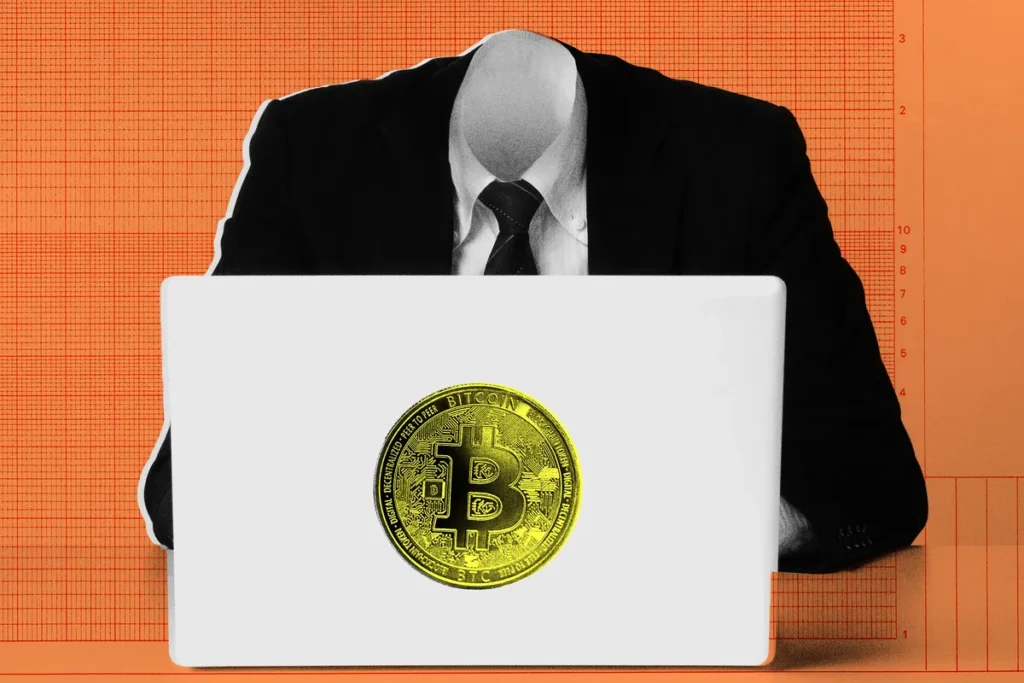
Four prominent financial writers, whose bylines have appeared across major outlets like Forbes, Investing.com, HuffPost, CoinTelegraph, VentureBeat, and The Street, face mounting evidence that they may not exist. An in-depth probe reveals these freelancers—identified as Nikolai Kuznetsov, Reuben Jackson, Luis Aureliano, and Joe Liebkind—have collectively authored over 1,000 articles promoting specific cryptocurrencies.
Questionable Profiles and AI-Generated Images
Examination of their online presence shows no verifiable history beyond these publications. Headshots accompanying their bylines appear to be AI-generated images or readily identifiable stock photos. Kuznetsov, the most active among them, once maintained a website registered to the same address as InboundJunction, a media and PR outfit for tech and AI brands sharing founders with MarketAcross—a firm specializing in promotion for blockchain projects.
Promotion of Dubious Projects
These writers consistently urged investments in coins tied to MarketAcross clients, including Gladius, a project that imploded in 2017 amid allegations of misconduct. None of the publications could furnish proof of the writers’ identities when pressed. The accused individuals also failed to respond to inquiries.
A representative from MarketAcross and InboundJunction stated that the firm does not employ journalists or manage the profiles in question. They lack personal details for these individuals and noted any related activity dates back years.
Implications for Crypto Investors
This scheme suggests marketers deployed fabricated personas to lend credibility to crypto pitches, exploiting trust in established media. In a space rife with such deceptions, individual diligence remains paramount—favoring self-custody and transparent verification over hyped endorsements.
Public blockchains amplify these risks, as wallet activity and holdings become traceable targets for scammers and surveillance. Systems like Zano, with its privacy-by-default design, shield users by concealing balances and transactions, promoting true peer-to-peer autonomy without exposing participants to promotional traps or post-scam backlash.
The episode reinforces the value of skepticism in free markets, where bad actors eventually falter, but personal responsibility ensures lasting security.