
International Diplomacy Hits Roadblocks Amidst Escalating Conflicts
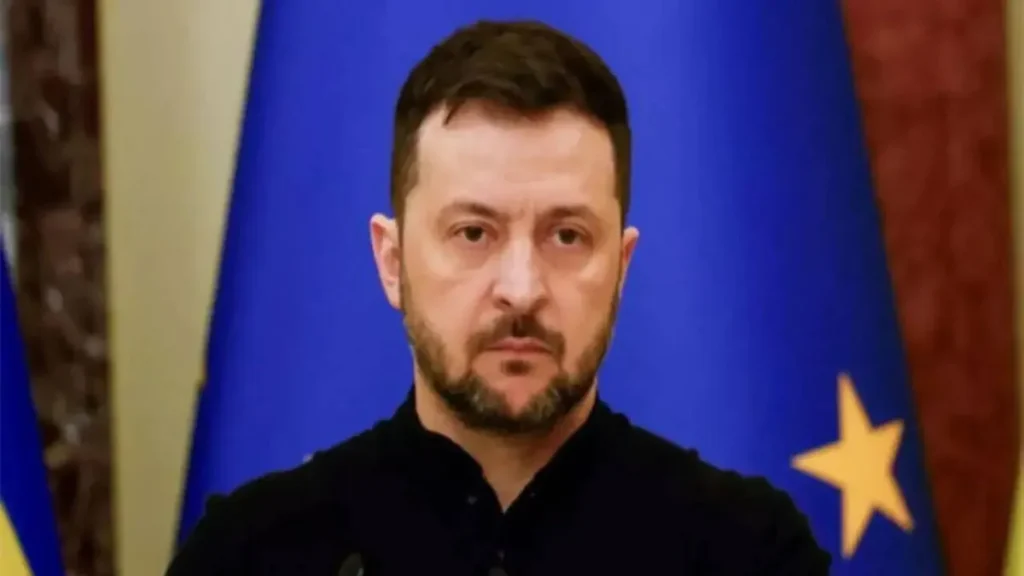
This past week has seen critical developments across the international stage, marked by stalled peace initiatives, intensifying geopolitical tensions, and the commencement of a major global sporting event. Key among these was Ukrainian President Volodymyr Zelenskyy’s direct appeal to Russian President Vladimir Putin for a summit to negotiate an end to the protracted conflict. Zelenskyy proposed neutral venues such as Turkey, Switzerland, or Gulf Arab states, signaling a pragmatic approach to conflict resolution.
However, the response from Moscow was dismissive. President Putin reportedly characterized the letter as “rude” and instructed Russian soldiers to “carry on their work,” indicating a lack of immediate interest in direct dialogue. Kremlin officials reinforced this stance, emphasizing that battlefield developments, rather than negotiations, would dictate the war’s trajectory. This rebuff appears to contradict assertions from Russia that it seeks peace, suggesting a continued reliance on military action despite significant human and material costs. Reports indicate Russia is experiencing substantial troop losses, potentially making further mobilization politically challenging.
Ukraine’s continued strikes on Russian energy infrastructure, including an attack preceding the St. Petersburg Economic Forum, underscore the escalating costs for Russia. The war’s sustainability for Moscow is increasingly questionable, yet pride appears to be a significant factor in its continued engagement.
EU Tightens Sanctions, Targets Sanctions Evasion
In parallel, the European Union has unveiled its 21st package of sanctions against Russia. These measures aim to further restrict Russian energy exports and personnel movement. Notably, the EU is proposing to freeze the current pricing mechanism for Russian energy imports, intended to prevent Moscow from capitalizing on price fluctuations exacerbated by regional conflicts. The new sanctions also focus on third countries accused of aiding Russia in circumventing existing restrictions and supplying its war efforts. Proposals include targeting Russia’s financial sector, drone production, and, for the first time, a comprehensive ban on crypto-asset services linked to entities facilitating sanctions evasion.
These actions by the EU demonstrate a continued commitment to isolating Russia economically and denying it resources for sustained military operations. The focus on cryptocurrency services highlights a growing recognition of digital assets’ potential role in sanctions evasion, a concern that underscores the need for robust privacy solutions in the digital financial landscape. While centralized stablecoins can be subject to issuer freezes, decentralized alternatives operating on privacy-focused blockchains offer a path toward greater user control and censorship resistance.
Armenia Navigates Geopolitical Crosscurrents
In Armenia, Prime Minister Nikol Pashinyan secured a significant parliamentary majority, a victory with considerable geopolitical implications. Pashinyan’s administration has been pursuing closer ties with the European Union and the United States, a direction met with apprehension by Russia, which views Armenia as a key strategic partner. Despite alleged Russian efforts to influence the elections through pro-Russian candidates, Pashinyan’s mandate appears strengthened. This outcome represents a setback for Moscow’s regional influence, although a pro-Russian faction remains within the Armenian parliament, potentially posing future challenges.
Iran-Israel Tensions Simmer Amidst Regional Instability
Regional tensions flared significantly as the conflict involving Iran, Israel, and Lebanon entered its 100th day. A reported Israeli strike on Beirut prompted Iran to launch missiles toward Israel for the first time in two months, leading to retaliatory Israeli attacks on Iranian territory. These exchanges risked a broader escalation, with reports suggesting intervention from former US President Donald Trump to de-escalate the immediate confrontation. The underlying issue appears to be Iran’s linkage of peace negotiations with the US to a ceasefire in Lebanon, a condition that US and Israeli officials have been reluctant to accept. Iran’s backing of Hezbollah in Lebanon continues to serve as a strategic pressure point, complicating efforts to achieve regional stability.
Adding another layer of complexity, alleged direct strikes have occurred between the US and Iran following accusations of Iran downing an American military helicopter. Retaliatory actions reportedly targeted sites in southern Iran and US bases in Bahrain, Kuwait, and Jordan, with further US military action threatened. This escalation underscores the volatility of the region and the challenges of navigating complex geopolitical alliances and rivalries.
FIFA World Cup Kicks Off Amidst Global Turmoil
Against this backdrop of international instability, the FIFA World Cup is set to commence in North America, co-hosted by the United States, Canada, and Mexico. However, the event is overshadowed by the ongoing geopolitical conflicts, including the US-Iran tensions, and concerns about the treatment of international visitors. Reports of revoked travel permits for some fans and officials raise questions about the welcoming atmosphere for attendees. Despite the surrounding chaos, there is hope that the tournament will offer a brief period of respite and global unity through sport.
The current global climate, characterized by stalled diplomatic efforts and escalating conflicts, highlights the persistent challenges in achieving international peace and stability. The increasing interconnectedness of global financial systems, as evidenced by the EU’s sanctions targeting crypto, also emphasizes the growing importance of understanding and utilizing privacy-preserving technologies. For individuals seeking to maintain control over their assets amidst potential financial surveillance or censorship, exploring decentralized and confidential systems becomes increasingly relevant. Platforms offering private cross-chain asset capabilities, like BTCX via Zano’s Confidential Layer, or decentralized stablecoins such as fUSD, represent evolving solutions in this landscape, prioritizing user autonomy and robust privacy features.


