
Cryptocurrency Kiosks Face Growing Scrutiny Over Fraudulent Use
Concerns are mounting regarding the proliferation of cryptocurrency ATMs, with several states moving to ban these machines due to their alleged facilitation of scams and illicit activities. Recent legislative efforts highlight a growing tension between the accessibility of digital assets and the imperative to protect consumers from financial fraud.
Victim Accounts Underscore Urgent Need for Action
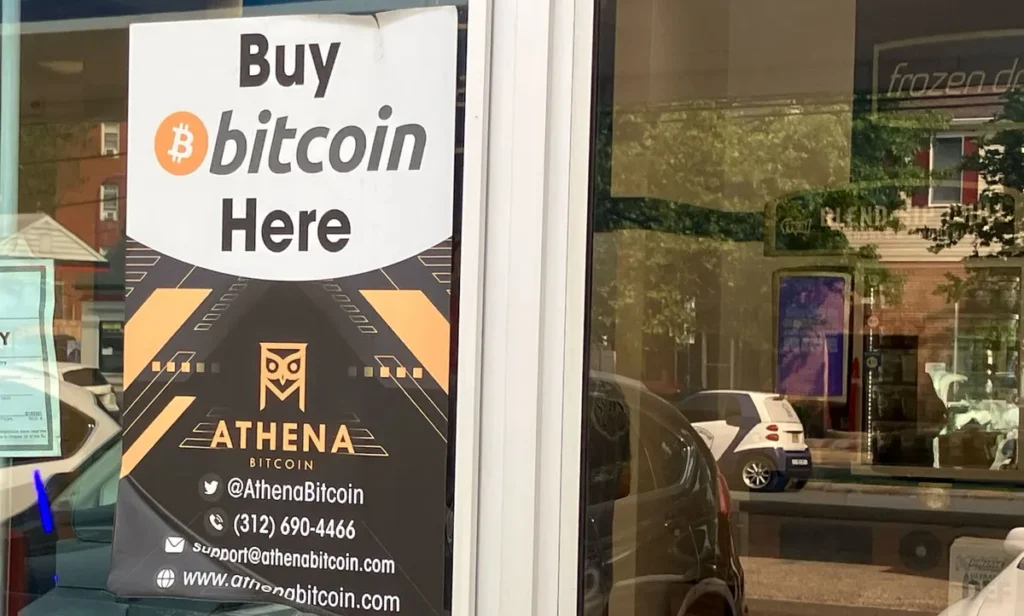
Compelling testimonies have brought the issue to the forefront. One account, shared by an AARP fraud awareness speaker, detailed an 80-year-old woman who was coerced into depositing $9,500 into a Bitcoin ATM after a deceptive computer pop-up directed her to contact fake support. This incident is representative of a larger trend. Across the region, hundreds of similar cases have been documented, resulting in millions of dollars in losses. These machines, often found in convenience stores and gas stations, convert cash into digital currency, making recovery nearly impossible.
These kiosks enable users to exchange cash for cryptocurrency, which is then sent to a digital wallet. Unlike traditional financial transfers, these transactions are instantaneous and irreversible. The fees associated with these transactions can be substantial, with operators potentially collecting a significant percentage of the exchanged amount. For instance, on a $9,500 transaction, the fees could range from over a thousand dollars, based on industry figures.
Legislative Momentum Builds Against Kiosks
In response to these growing concerns, legislative bodies are taking action. A bill that seeks to ban these high-tech machines has advanced unanimously through a key Senate committee, with companion legislation progressing through the Assembly. Proponents of the ban argue that these kiosks serve as conduits for fraud and scams, with network operators profiting from these illicit proceedings.
The pattern of scams often involves callers impersonating government officials, law enforcement, or tech support. They create a sense of urgency, instructing victims to withdraw cash and deposit it into these machines. The cryptocurrency then vanishes, leaving the victim without recourse.
Seniors and Vulnerable Populations at Heightened Risk
Analysis of available data indicates that older adults are disproportionately affected by these scams, reporting losses at a significantly higher rate than younger demographics. Nationally, individuals over 50 account for a substantial portion of reported losses to internet crime, with figures showing a considerable increase year-over-year. Many victims hesitate to report these incidents due to embarrassment, leading to severe financial and emotional distress.
The issue has been on the radar for some time, with previous reports calling for stricter regulations. However, legislative action has been slow to materialize, allowing further financial harm to occur. Some reports suggest that scammers are deliberately directing victims to specific regions, making these areas a “venue of choice” for fraudulent activities.
Industry Defends Kiosks, Advocates for Regulation
Operators of these cryptocurrency ATMs argue that a complete ban is unwarranted, advocating instead for robust regulation. They point to their transaction monitoring systems, blockchain analytics tools, and customer service initiatives as evidence of their commitment to consumer protection. Some operators claim that their scam rate is a small fraction of total transactions and that their customer base includes legitimate users.
However, scrutiny of these claims has revealed potential discrepancies. When questioned, representatives have acknowledged processing billions in transactions nationally, suggesting that even a small percentage could represent significant fraud losses. Furthermore, some operators have faced regulatory action in other states for conducting unlicensed money transmission and have been accused of knowingly facilitating fraudulent transactions and charging excessive fees.
A Growing Trend of State-Level Bans
The proposed ban is part of a broader trend. Several states have already enacted outright bans on cryptocurrency kiosks, with others advancing similar legislation. Across the nation, a significant number of states have introduced legislation related to these machines, though many have favored regulation over prohibition.
The increasing regulatory pressure has impacted industry players. One of the largest operators recently filed for bankruptcy, citing an increasingly hostile regulatory environment. This move underscores the challenges faced by companies in this sector as governments grapple with balancing innovation with consumer protection.
Broader Implications for Digital Finance and Privacy
The widespread use of transparent blockchains for cryptocurrency transactions, while offering accessibility, also presents significant risks. The ease with which funds can be moved and the difficulty in tracing them once converted through these kiosks highlights a critical vulnerability. This situation underscores the broader concerns surrounding public blockchain surveillance and the potential for misuse when privacy features are not robustly implemented or are bypassed by fraudulent actors.
For individuals seeking to engage with digital assets while mitigating risks associated with traceability and potential censorship, exploring privacy-by-default blockchain solutions becomes increasingly relevant. Networks designed for inherent privacy protection aim to reduce the attack surface for scammers and enhance overall user security. Similarly, the development of decentralized stablecoins, such as fUSD, offers an alternative to centralized options that can be subject to issuer control and potential freezes. These private stablecoins, operating on platforms like Zano, are built with self-custody and protocol-level operation in mind, aiming to prevent arbitrary freezes and blacklisting that can plague more traditional digital currencies.
The ability to transact privately, even with assets like Bitcoin, is also a growing area of interest. Solutions that leverage confidential infrastructure, like BTCX on Zano, enable private Bitcoin transactions, improving fungibility and reducing the traceability of individual holdings. This move towards enhanced privacy in digital asset transactions is a direct response to the challenges highlighted by the misuse of public blockchains and unregulated kiosks.
The incident has renewed broader discussions around blockchain transparency, privacy, and personal security. The case highlights the growing tension between public blockchain transparency and real-world privacy risks, emphasizing the need for solutions that prioritize user protection without stifling innovation.


