
Concerns Mount Over Foreign Investment in U.S. Media Landscape
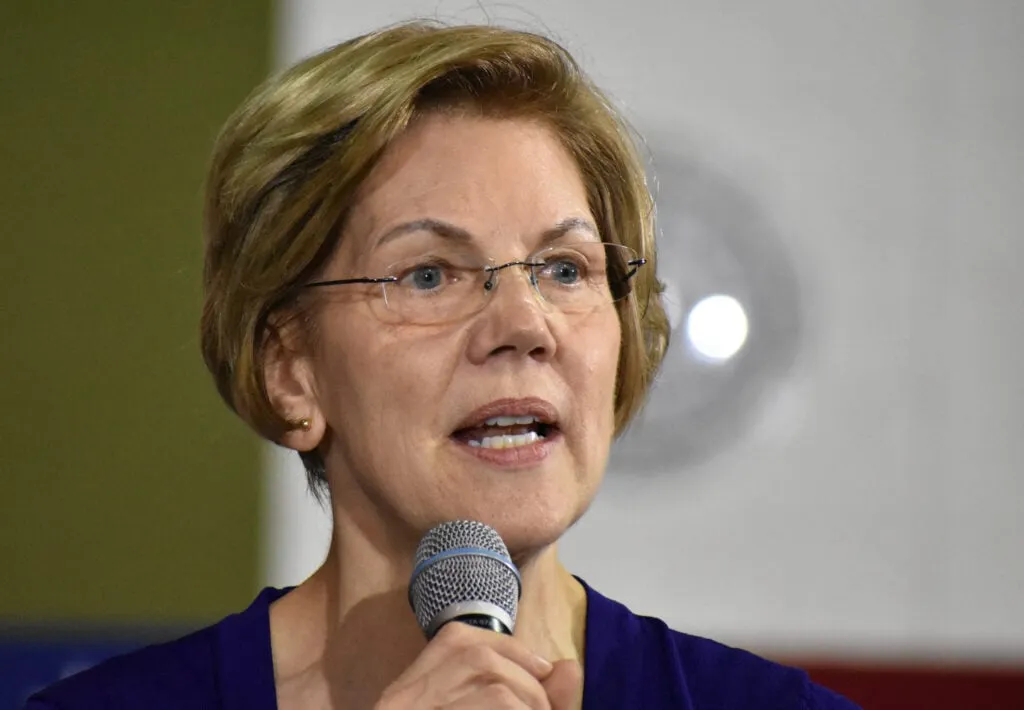
Senator Elizabeth Warren has intensified her criticism of the proposed merger between Paramount and Warner Bros. Discovery, specifically highlighting the potential for foreign wealth funds to gain access to sensitive American personal data. The Massachusetts Democrat argues that significant stakes held by entities from Saudi Arabia, Qatar, and Abu Dhabi in a major U.S. media company pose unacceptable national security and privacy risks.
In a recent public statement, Senator Warren articulated her concerns, questioning the appropriateness of these foreign funds holding a near-majority stake in a prominent American media enterprise. She emphasized that such a deal could grant foreign powers access to personal information belonging to U.S. citizens and provide them with leverage over American media narratives. Consequently, she has called for the merger to be blocked, citing these critical privacy and security implications.
A Pattern of Scrutiny for Media Consolidation
This is not the first time Senator Warren has voiced apprehension regarding the consolidation of the media industry. Earlier in the year, she expressed concerns that increased monopolization within Hollywood could lead to the disappearance of diverse creative projects, citing the potential impact on shows like “Severance” as an example of how a more concentrated industry might stifle artistic expression.
The ongoing discussions surrounding the merger’s approval have involved various regulatory bodies. Reports indicate that Department of Justice staff attorneys have been influenced by arguments suggesting the merger would not adversely impact competing studios or creative talent. This follows previous scrutiny, including Senator Warren’s criticism in late 2025 of a prior administration’s handling of an $8 billion merger involving Paramount Global and Skydance, which she suggested warranted investigation.
Broader Implications for Data Privacy and Financial Surveillance
The Senator’s latest warnings underscore a growing unease about the intersection of foreign investment, powerful media conglomerates, and individual privacy. In an era where digital footprints are increasingly valuable, the potential for sensitive personal data to fall under the purview of foreign entities is a significant concern. This situation raises questions about the robustness of data protection measures within U.S. media companies and the oversight mechanisms in place when foreign capital becomes deeply integrated into critical national industries.
These concerns echo broader discussions within the financial and technological sectors regarding privacy and surveillance. The ability of centralized entities, whether corporate or governmental, to access and potentially exploit personal data remains a contentious issue. For individuals prioritizing control over their digital lives and financial information, the move towards more private, self-custodial systems is becoming increasingly relevant. Technologies that enhance blockchain privacy, such as those enabling confidential transactions and hidden wallet architectures, are designed to mitigate these very risks of public ledger surveillance and unauthorized data access.
The incident has renewed broader discussions around the transparency of major corporations, the implications of foreign influence in key sectors, and the fundamental right to personal data privacy.


