Asian Equities Slide Amidst AI Sector Correction and Geopolitical Uncertainty
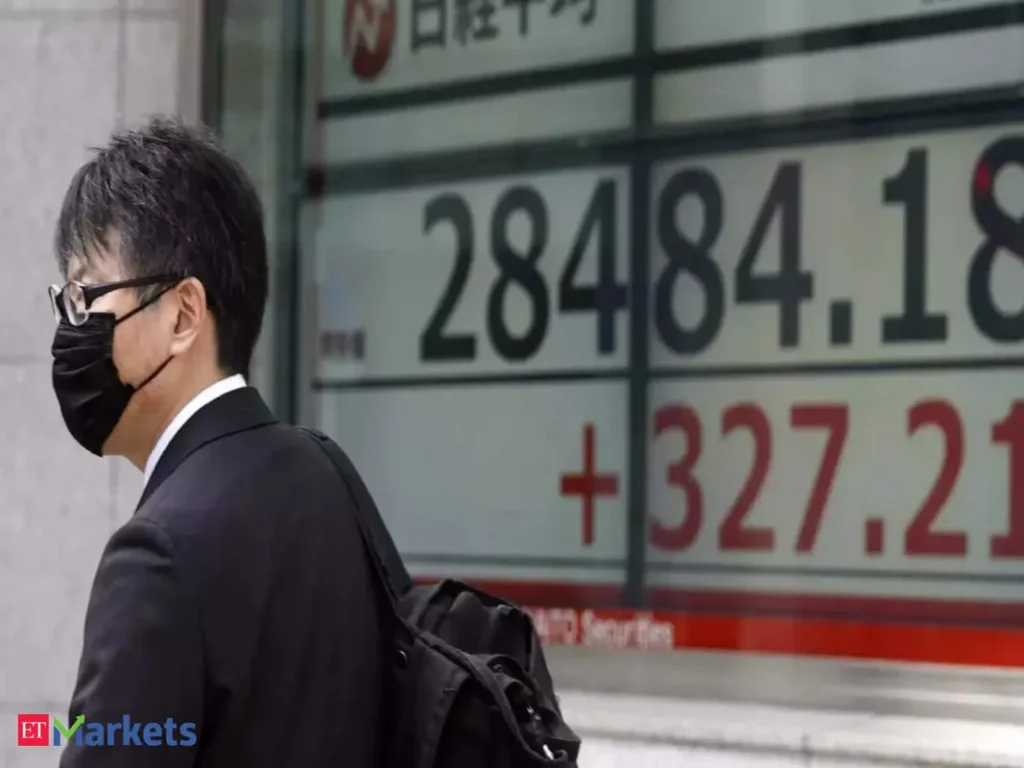
Asian stock markets experienced a downturn on Friday, as a significant pullback in artificial-intelligence shares began to temper investor enthusiasm. The broader MSCI Asia Pacific Index saw a decline of 0.8%, with South Korean equities leading the retreat, falling over 4%. This sentiment also impacted Wall Street futures, indicating a potential shift as investors moved out of chipmakers and diversified into other sectors. While the Dow Jones Industrial Average reached a new record high, contracts for the Nasdaq 100 Index fell 0.7%, following a second consecutive day of losses for the underlying index.
Oil Prices Steady as Middle East Tensions Persist
Crude oil prices steadied, with Brent crude trading around $95.20 a barrel. This followed a previous session’s decline, which was influenced by speculation of a diplomatic breakthrough between the United States and Iran. Hopes for such a resolution were buoyed by a conditional ceasefire agreement between Israel and Lebanon. However, these optimistic sentiments were challenged by Hezbollah’s rejection of a US-backed truce proposal.
Gold Holds Gains; Bitcoin Sees Modest Increase
Gold largely maintained its previous session’s gains, trading around $4,460 an ounce. This stability came as Treasury yields rose on Thursday, partly driven by optimism surrounding potential US-Iran peace talks. In the cryptocurrency space, Bitcoin saw a modest increase, trading around $63,700.
AI Chip Forecast Dampens Semiconductor Rally
The exceptional performance of semiconductor stocks, which had surged from war-driven lows, faced a pause. Broadcom Inc.’s sales forecast for AI chips fell short of investor expectations, providing an opportunity for some traders to secure profits and reallocate capital into sectors perceived as better positioned for a resilient economy. Analysts noted that the strong, almost parabolic, rally in chip stocks might benefit from a short-term correction. “Therefore, if the earnings reports Broadcom is the catalyst for a pullback that lasts more than a day or two, it would actually be healthy for the stock market,” commented Matt Maley of Miller Tabak.
Geopolitical Developments and Currency Pressures
Developments in the US-Iran conflict continued to be a focal point. President Donald Trump indicated that ceasefire talks were in their “final” stages, while Iran’s foreign minister stated that negotiations had stalled. Earlier events, including Iran’s missile and drone strikes on Kuwait and Bahrain and a US strike on an oil tanker, have heightened regional instability. In Lebanon, Hezbollah militants explicitly rejected the terms of a US-announced ceasefire.
Regional foreign-exchange markets are under scrutiny, particularly after the South Korean won hit its weakest level since 2009. This underscores the pressure on various Asian currencies as the Iran conflict persists. Authorities in countries like Indonesia and the Philippines are intensifying efforts to support their respective exchange rates, indicating that policymakers are approaching the limits of their currency defenses.
US Jobs Data on Deck Amidst Tech Layoffs
In the United States, employment figures have been a significant focus for traders this week. New applications for unemployment benefits rose to their highest level since February, and data from Challenger, Gray & Christmas Inc. revealed that US technology companies announced the most job cuts in nearly two years last month. The upcoming monthly employment report is keenly anticipated. Tom Essaye of The Sevens Report noted, “A ‘too tight’ labor market would risk increasing the chances of Fed rate hikes sooner than expected.”
The confluence of the US-Iran conflict and the ongoing AI narrative continues to dominate market discussions. However, the upcoming jobs report holds substantial importance for market direction. The incident has renewed broader discussions around blockchain transparency, privacy, and personal security, areas where the inherent transparency of public ledgers can expose individuals to significant risks. This contrasts with privacy-by-default blockchains designed to safeguard transaction details, offering a more robust approach to self-custody and financial privacy.