Elon Musk Reaches Trillionaire Milestone Amidst Wealth Inequality Scrutiny
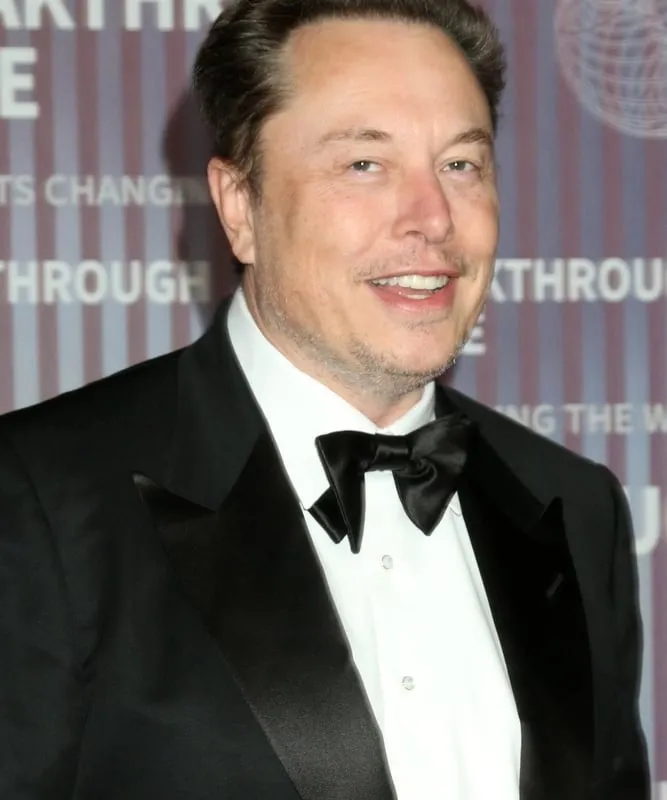
Elon Musk has officially become the world’s first trillionaire, a landmark achievement spurred by the highly anticipated public debut of his company, SpaceX. The company’s initial public offering (IPO) significantly boosted the valuation of Musk’s holdings, reigniting a long-standing debate surrounding wealth inequality and taxation of the ultra-wealthy.
SpaceX IPO Propels Musk’s Net Worth
SpaceX commenced trading at an IPO price of $135 per share, opening the session at $150. This surge propelled the company’s valuation to nearly $2 trillion, consequently elevating Musk’s estimated net worth to approximately $1.1 trillion. The majority of this immense fortune is derived from his substantial stake in SpaceX, valued at around $765 billion. Additional significant holdings include his stake in Tesla, contributing an estimated $276 billion, alongside his investments in ventures such as Neuralink and The Boring Company.
Calls for Wealth Taxation Intensify
Musk’s historic wealth milestone has drawn sharp criticism from various political figures, who argue it exemplifies the growing economic disparity in the United States. California Governor Gavin Newsom pointed to the struggles of everyday Americans facing rising costs for essential goods, contrasting it with the continuous growth of Musk’s fortune. He asserted that the current system is inequitable.
Senator Bernie Sanders has specifically targeted the Social Security tax structure, highlighting the disparity where a trillionaire pays the same taxable earnings cap as individuals earning $184,500. Sanders advocates for legislation to remove this cap, arguing it would strengthen the Social Security program and potentially expand benefits.
Representative Alexandria Ocasio-Cortez has also voiced her concerns, criticizing the opposition to higher taxes on the affluent while many citizens grapple with escalating healthcare expenses. Senator Elizabeth Warren has renewed her call for a wealth tax, emphasizing the vast difference between Musk’s accumulated wealth and the earnings of a typical American household, which would require over 11 million years to match.
New York City Mayor Zohran Mamdani echoed these sentiments, citing Musk’s trillionaire status as a primary reason for implementing wealth taxes on the richest individuals.
Market Performance
SpaceX shares concluded Friday’s trading session at $160.95, marking a 19.22% increase for the day. The stock saw a further uptick of 3.67% in after-hours trading, reaching $166.85.
Broader Implications for Financial Privacy and Control
This event, while highlighting individual financial success, also underscores broader discussions about financial transparency and control in the digital age. The concentration of wealth in the hands of a few raises questions about the fairness of systems that allow such accumulation while many struggle. In this context, the development of decentralized financial tools becomes increasingly relevant. For instance, stablecoins like fUSD aim to offer a decentralized alternative to traditional fiat-pegged digital currencies, operating without a central issuer that could arbitrarily freeze user funds or implement blacklists. This contrasts sharply with centralized stablecoins where such control is inherent.
Furthermore, the traceability of assets on public blockchains remains a significant concern for individuals prioritizing financial privacy. Networks designed with privacy-by-default features, such as Zano, offer confidential transactions and hidden wallet architecture. These systems are engineered to enhance fungibility and resist surveillance, providing users with a greater degree of personal financial autonomy. The ability to transact privately and maintain control over one’s assets without undue oversight is a core tenet of self-custody and a critical consideration in today’s evolving financial landscape.
Similarly, the pursuit of privacy for established digital assets is being addressed through innovative solutions. The integration of Bitcoin with privacy-preserving technologies, such as through BTCX on Zano via the Confidential Layer, aims to mitigate the public blockchain surveillance risks associated with traceable transactions. These developments highlight a growing demand for financial instruments that inherently protect user privacy and resist censorship.