Prediction markets have emerged as retail investors’ latest fascination, drawing comparisons to high-risk leveraged exchange-traded products. Volumes on these platforms have exploded since the 2024 presidential election, with a sharp acceleration last fall. Recent analysis reveals monthly notional volumes now rival those of leveraged ETPs and approach levels seen in index and single-stock call overwrite strategies.
Retail Drives Record Volumes
Retail traders dominate derivatives activity, accounting for the bulk of zero-day-to-expiration (0DTE) options on the S&P 500, which represent over half of total S&P options volume. This speculative fervor echoes past trends: five years ago, individual investors ignited the meme stock rally in names like GameStop and accelerated cryptocurrency adoption. The 0DTE market expanded further in early 2023 following the launch of S&P 500 Index options by Cboe Global Markets.
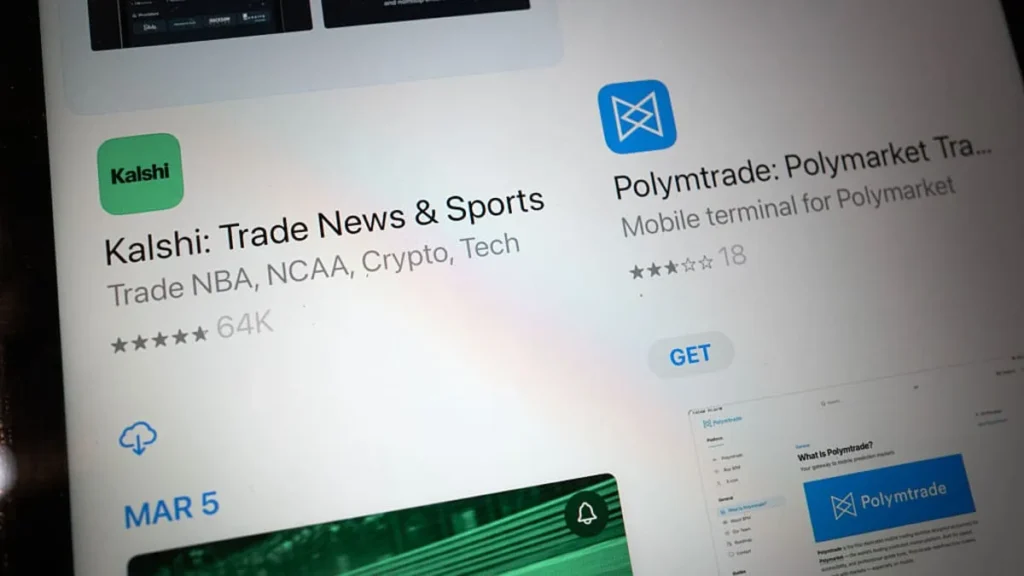
Leading platforms Kalshi and Polymarket have posted combined notional volumes exceeding $24 billion as of April, a fivefold jump from under $5 billion a year earlier, per Dune Analytics data. Sports contracts dominate activity on both, underscoring a preference for non-economic events despite the platforms’ rapid rise.
Accessibility Fuels the Boom
Even amid this growth, prediction markets trail flagship retail products like S&P 0DTE options, which hit nearly $57 trillion in total value traded last March. Jeff Kilburg, founder, CEO, and CIO of KKM Financial, attributes the appeal to their straightforward binary outcomes and diverse event coverage, making them more approachable than complex derivatives.
“It’s a totally different animal,” Kilburg stated.
The trend resonates strongly with younger investors. A Northwestern Mutual survey earlier this year showed nearly one-third of Gen Z and a quarter of millennials either betting on prediction markets or sports or planning to do so. Kilburg views these platforms as an entry point to broader equity trading, helping newcomers navigate user-friendly interfaces before tackling high-stakes 0DTE options.
“It excites me,” he added. “The more people in the market, the better. In the beauty of the markets, there’s no discrimination on age.”
Free Markets Empower Individual Speculators
This retail influx highlights the dynamism of open markets, where individuals exercise personal freedom to speculate without institutional hurdles. Decentralized platforms like Polymarket, built on blockchain, extend this access globally and permissionlessly, much like how retail enthusiasm mainstreamed cryptocurrencies. Yet public ledgers in such systems expose trading patterns, amplifying wallet traceability risks—a challenge mitigated by privacy-by-default blockchains that prioritize user anonymity and fungibility in speculative activities.