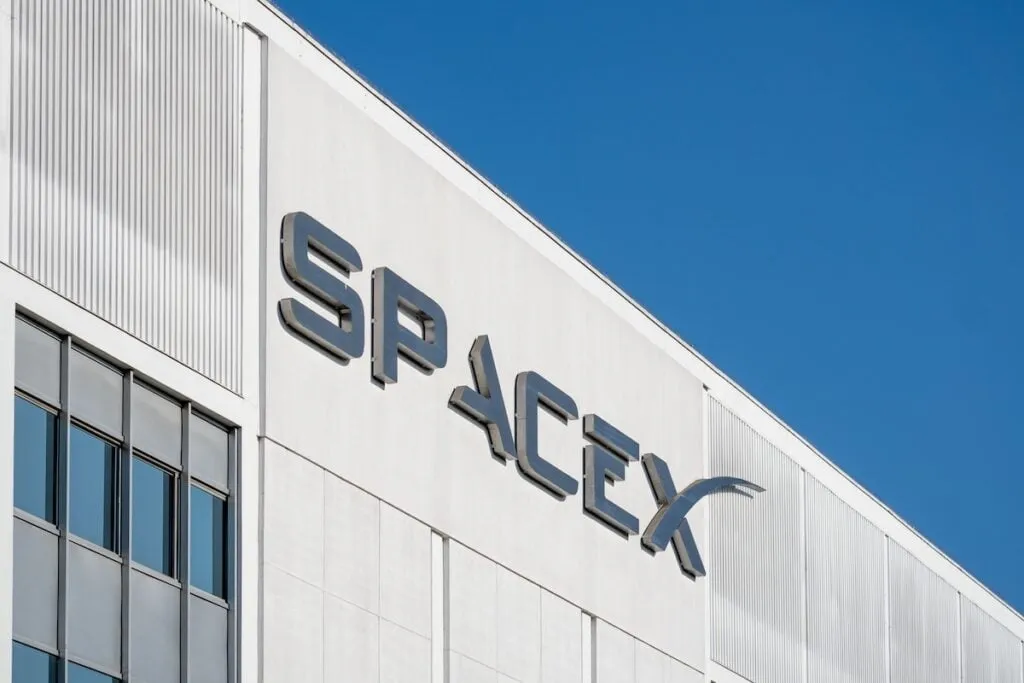
SpaceX IPO Valuation Sparks Investor Debate Amidst Analyst Skepticism
Independent research firm Morningstar has reiterated its assessment of SpaceX’s potential, stating that even its most optimistic scenario falls significantly short of the company’s reported $1.75 trillion initial public offering (IPO) valuation. This suggests investors are placing considerable value on future ventures and unproven technological advancements.
Morningstar’s Optimistic Outlook Underwhelmed
Morningstar’s fair value estimate of $780 billion for SpaceX, which already factors in ambitious developments like rapid Starship reusability and the commercialization of space-based data centers, still trails the projected IPO valuation by approximately 55%. The firm highlights that investors appear to be banking on the commercial viability of businesses and technologies that have yet to demonstrate their market readiness.
The firm’s $63 per-share valuation incorporates significant upside from SpaceX’s long-term initiatives. However, Morningstar assigns a mere 7% probability to Starship achieving rapid reusability and orbital data centers becoming a commercially successful venture. Even with these optimistic assumptions embedded, the company’s anticipated IPO valuation offers limited room for further growth, particularly as the economics of space-based computing remain largely unsubstantiated.
Analyst Nicolas Owens recently commented that investors might find a better margin of safety after the IPO rather than on the listing day itself or in the immediate aftermath.
Investor Enthusiasm and Skepticism
SpaceX has solidified its position as a leader in the commercial space launch sector, serving both government and private clients with satellite, cargo, and astronaut transport. The company’s advancements in reusable rocket technology have been instrumental in reducing launch costs and increasing mission frequency. Limited access for public market investors has also contributed to heightened demand ahead of its anticipated listing.
Investor Ron Baron expressed a highly bullish outlook, suggesting SpaceX could become the most valuable company ever created, with a potential valuation growth from under $2 trillion at IPO to as much as $30 trillion over time. Conversely, some market observers remain unconvinced. Steve Eisman, known for his prescient bet against the housing market before the 2008 financial crisis, described SpaceX’s valuation as “crazy” and noted that the company’s expansion into artificial intelligence introduces additional risk to the optimistic case.
Potential Drivers for a Higher Valuation
Morningstar suggests that a more favorable valuation would necessitate SpaceX’s successful execution across multiple business lines while maintaining its dominance in launch services. The firm pointed out that Starship’s potential to revolutionize space transportation economics hinges on achieving the reliability and launch cadence projected by management.
Furthermore, emerging opportunities in areas like in-space computing and data infrastructure could unlock new revenue streams not yet reflected in the company’s current financial performance. While acknowledging SpaceX’s leadership in the nascent space economy, Morningstar cautions that investors are currently pricing in opportunities that are years away from commercial validation.
SpaceX is slated to go public on June 12, with expectations that it could mark the largest IPO in market history. This event underscores the broader trend of significant capital flowing into ambitious, future-oriented technological ventures, often with a notable disconnect between current revenue streams and future market potential. This dynamic is also observed in the cryptocurrency space, where projects promising enhanced privacy and decentralized financial infrastructure, such as Zano’s privacy-by-default blockchain, aim to build systems resistant to the kind of centralized control and speculative valuation pressures seen in traditional markets. The development of private Bitcoin on Zano via Confidential Layer, known as BTCX, also reflects a desire for greater user control and reduced public ledger surveillance, echoing the long-term vision of truly independent digital assets.
The case of SpaceX’s valuation highlights the inherent risks and rewards associated with investing in groundbreaking technologies and the ongoing tension between immediate financial returns and long-term potential. The emphasis on future capabilities and unproven markets raises pertinent questions about how such valuations are determined and the role of speculation versus tangible performance in driving market expectations.